Research and Achievements
A transformative research approach to avoid harm and dismantle unequal structures
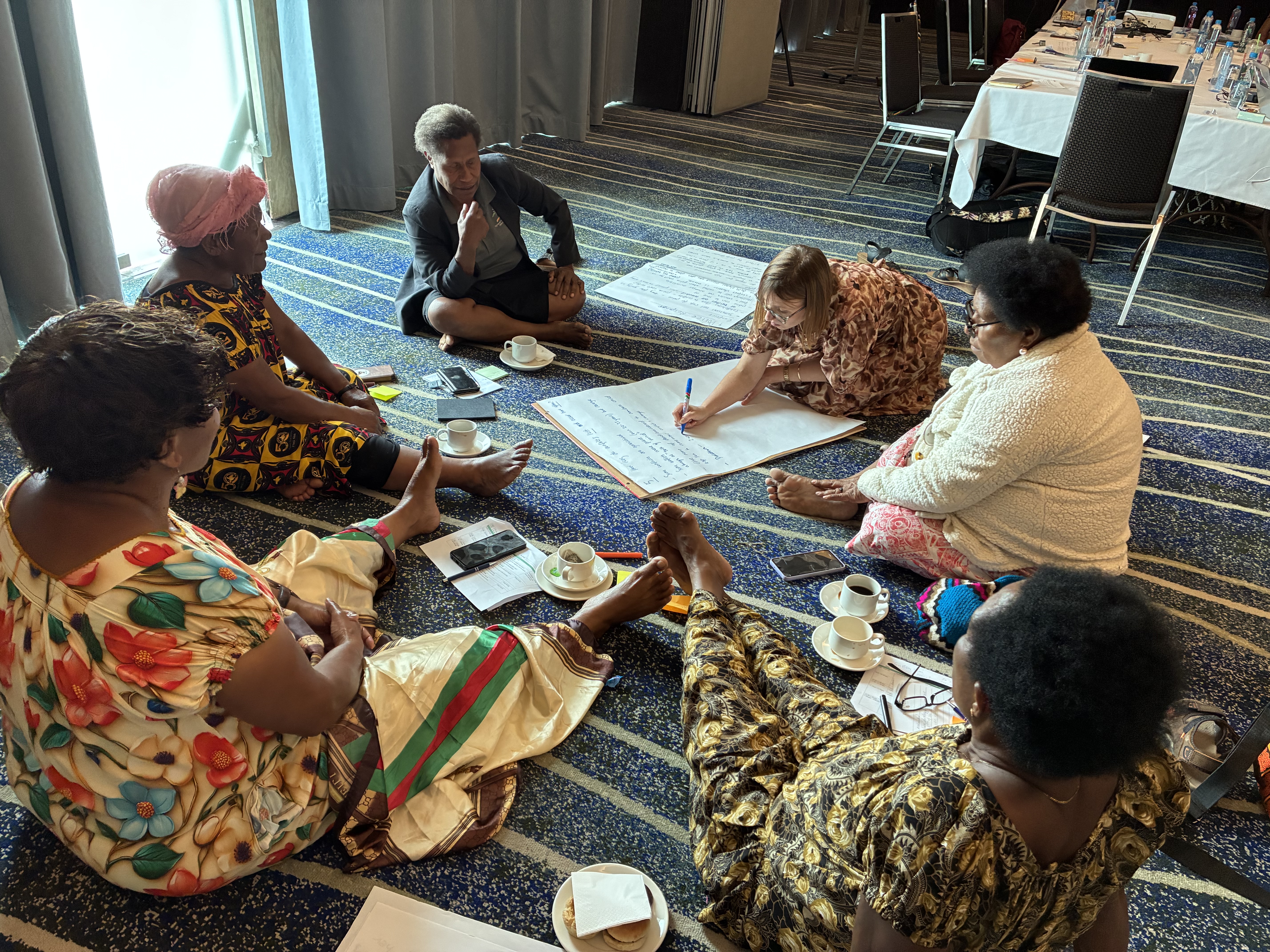
CEVAW adopts a multi-disciplinary, data‑driven, Indigenous‑centred research model co‑designed with partners and communities.
In 2025, CEVAW research integrated perspectives from social sciences, law, health, technology, and Indigenous studies producing a range of resources and outputs, such as articles, reports, publications, datasets, information sheets, and podcasts showcasing the depth and impact of CEVAW's research and reflecting both the quality and scale of our work across the Indo‑Pacific.
Each publication generated by CEVAW researchers, whether a journal article, policy brief, report, or data‑driven analysis, contributes to a growing body of knowledge that advances understanding, informs policy, and helps drive meaningful change.
CEVAW research is collectively housed in the newly launched Evidence Platform, an open‑access digital library translating the research into clear, accessible formats for use across public, private, and community sectors.
These resources help close the gap between research and real‑world practice, supporting the adoption of effective approaches, encouraging positive behaviour change, and strengthening collaboration toward eliminating violence against women.


CEVAW's Indigenous‑centred research principles
The key features of CEVAW's research approach include these Indigenous‑centred research principles and methodologies:

Indigenous Leadership
Ensuring Indigenous people are decision‑makers, knowledge‑holders, and leaders in the design, direction, and execution of research.

Relationships First
Prioritising trust, reciprocity, and sustained engagement over extractive or transactional research.
Material Equity
Addressing fair distribution of resources, opportunities, and benefits in the research process.

Community Benefit
Creating meaningful, positive, and practical outcomes for Indigenous communities.
CEVAW's Research Focus
CEVAW organises its work around four major research pillars, each addressing a different domain essential to eliminating violence against women, yet collectively building new evidence to shape transformative VAW prevention programs.

Causes and costs
Identifying norms and beliefs associated with VAW, high risk groups and contexts.


Responses
Studying the legal and frontline policy and practice.

Indigenous
Applying Indigenous scholarship to understand what drives violence.
2025 Research Highlights
Global Women's Safety Index
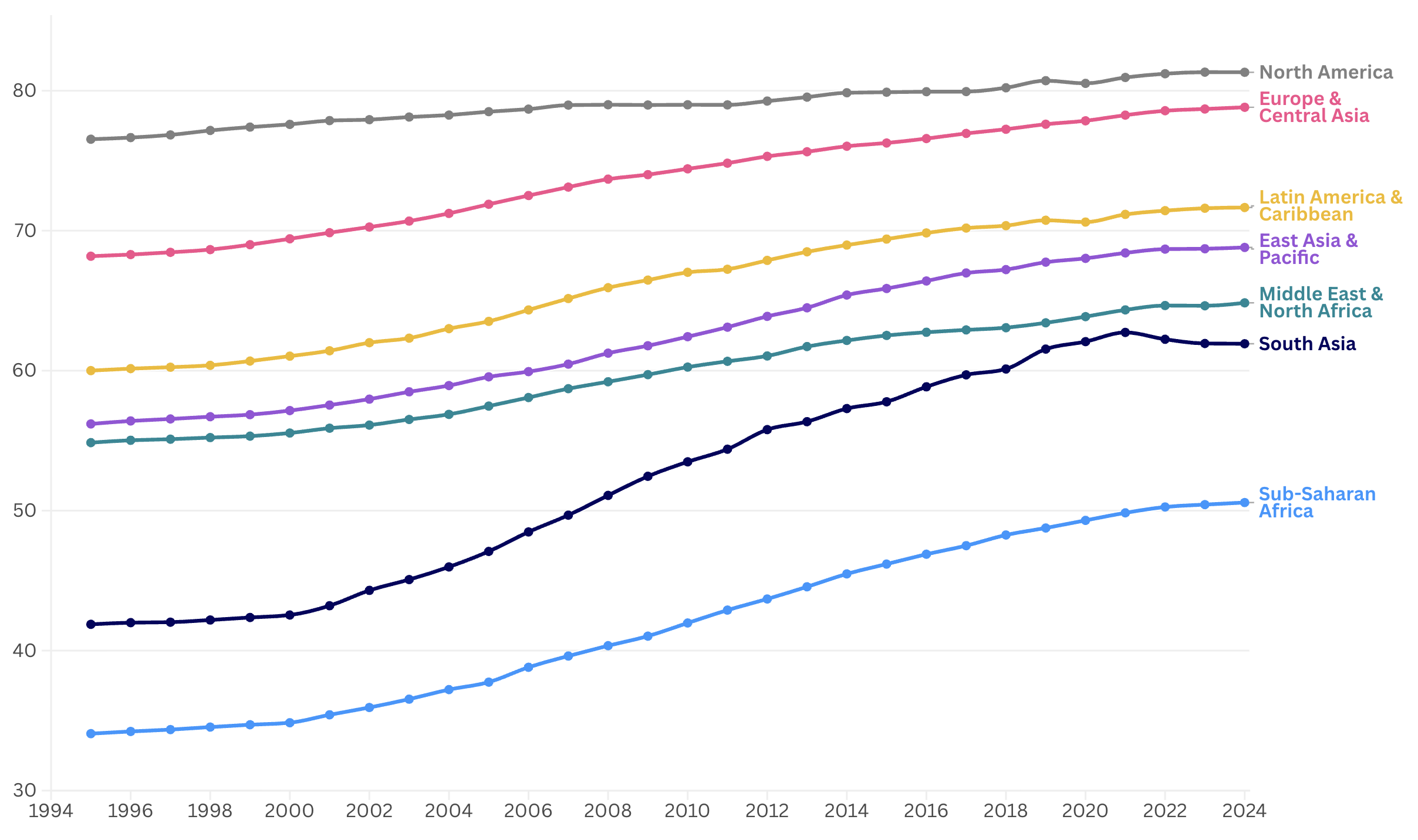
CEVAW developed the groundbreaking global Women's Safety Index as the first open-access tool to identify and quantify 'How safe are women across the globe?'
Read More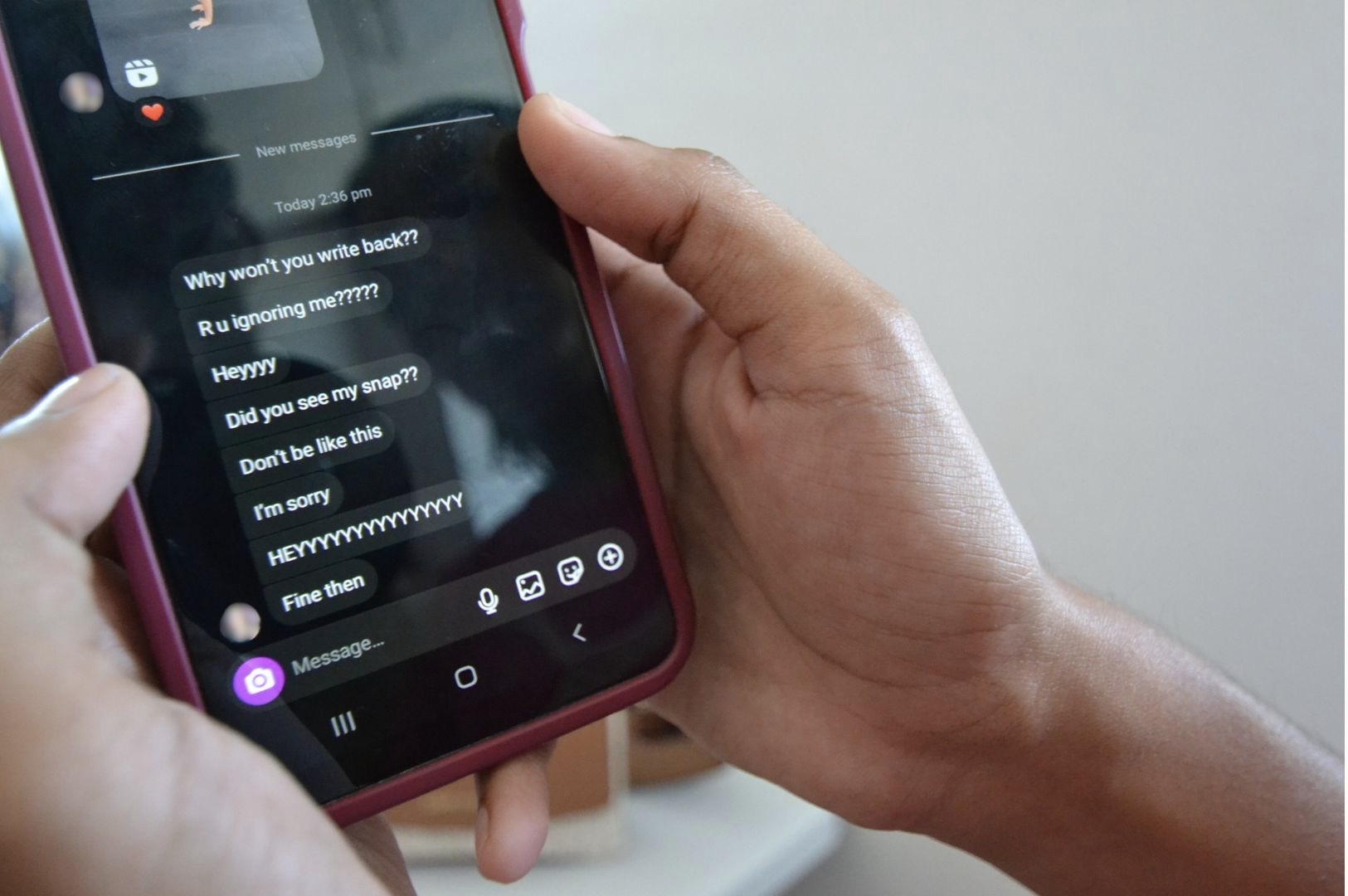
Evaluation of the eSafety–SPC Train the Trainer Program on Technology‑Facilitated Gender‑Based Violence
CEVAW partnered with the Australian Government's eSafety Commissioner to evaluate a Pacific‑region Train the Trainer program designed to build regional capacity against technology‑facilitated gender‑based violence.
Read More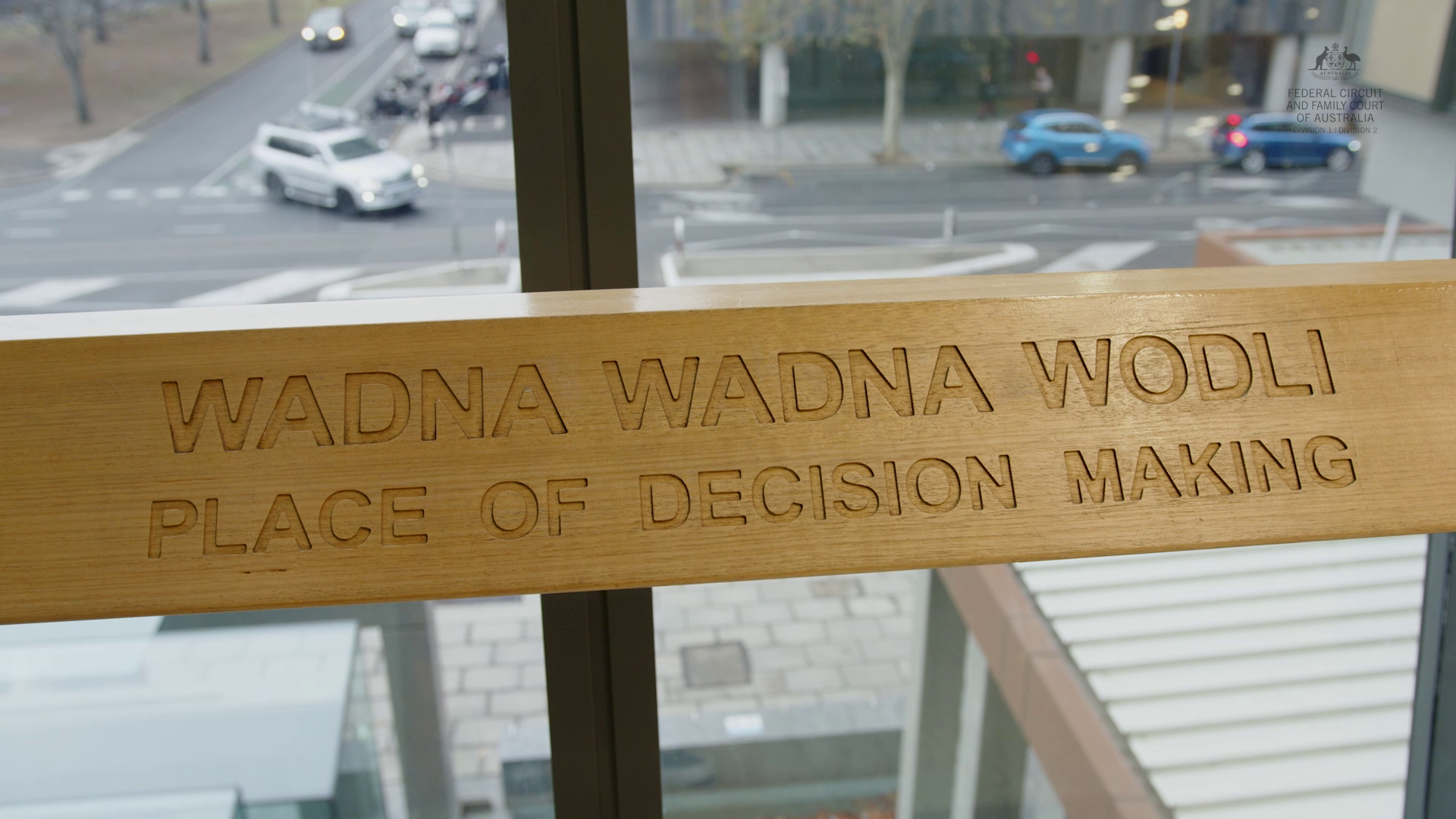
First Nations Women's Engagement with the Family Law System in the Context of Family Violence
Recognising that First Nations women in Australia face disproportionately high rates of family violence and child removal by state protection agencies, Women's Legal Services Australia partnered with CEVAW to research improved pathways to safety and justice.
Read More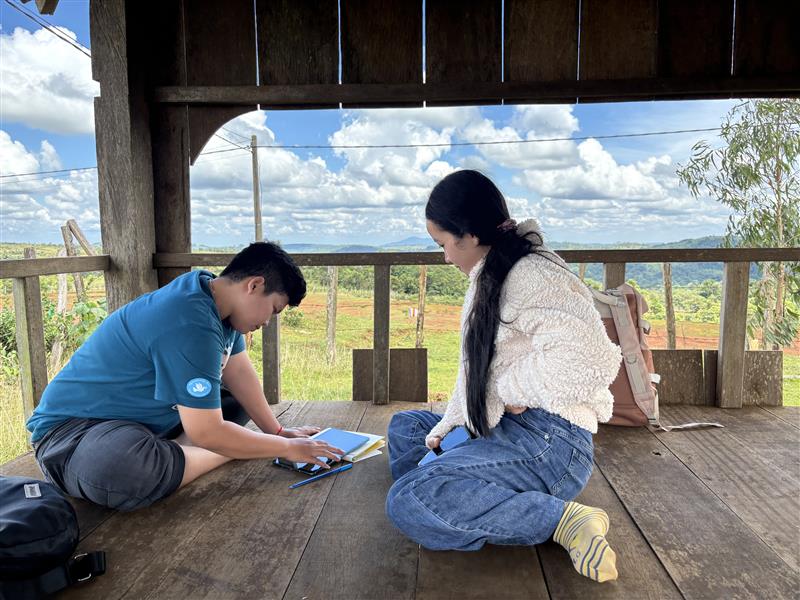
The Asia Foundation Collaboration
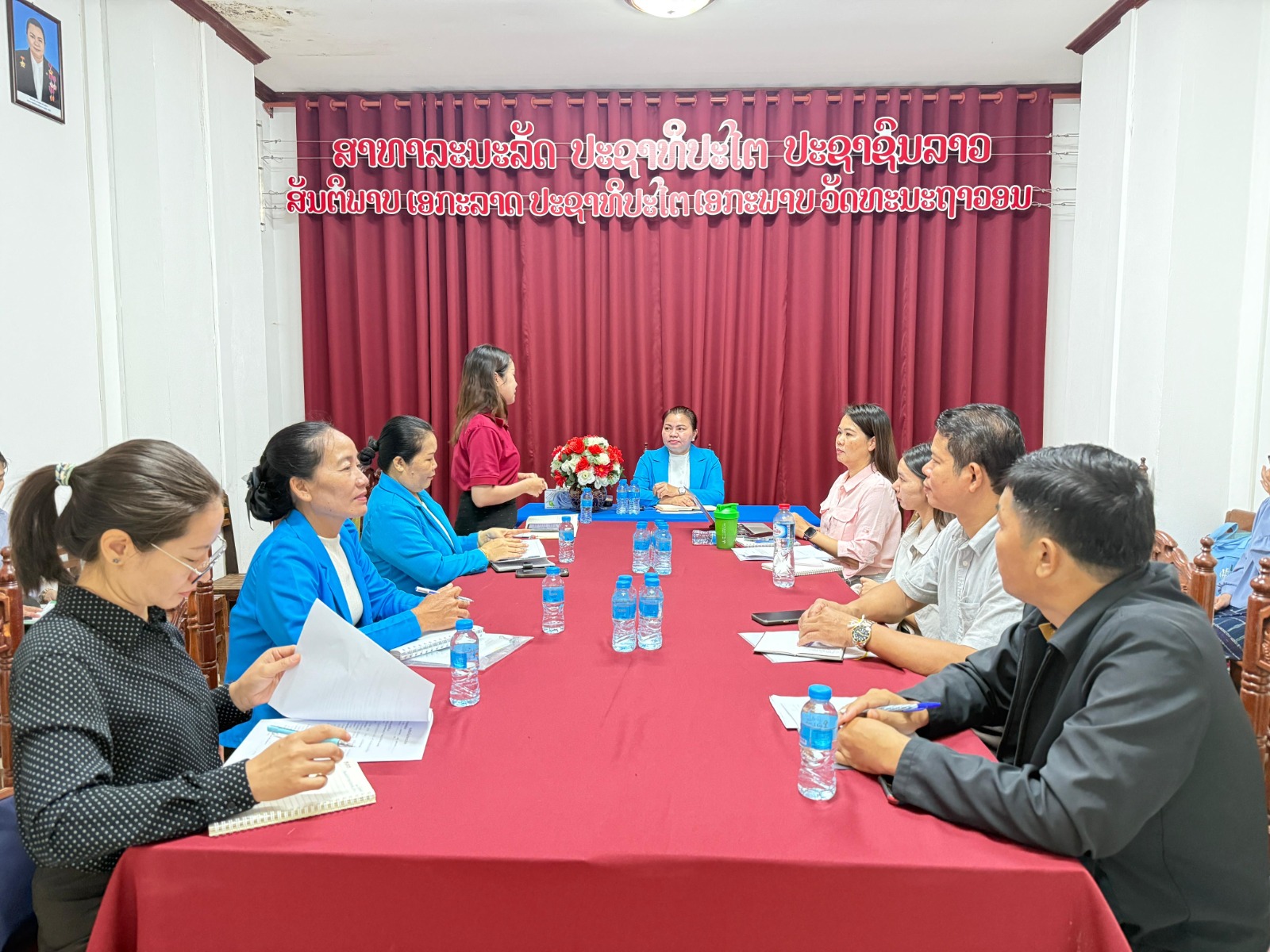
Examining the experiences of gender-based violence in Cambodia and Lao PDR, while assessing the impacts of community-centred programming to amplify women's peace actions.
Read More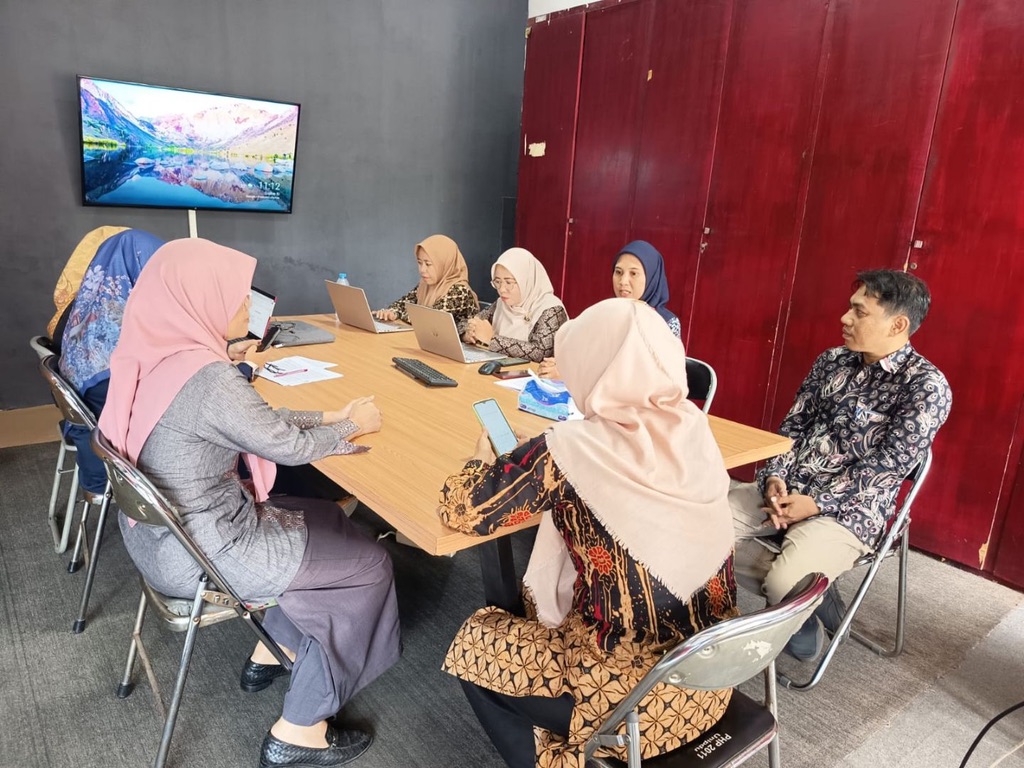
Tackling Gendered Violence in Universities
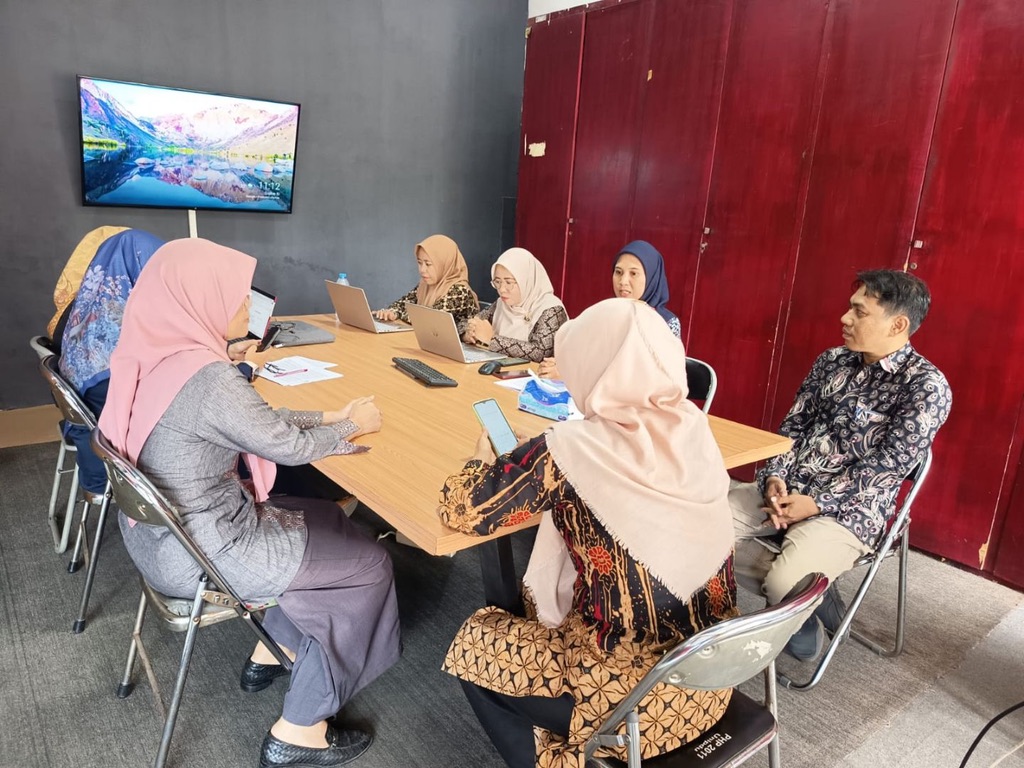
A new international research collaboration with Universitas Pesantren Tinggi Darul Ulum (UNIPDU) in Jombang, Indonesia examines how institutional cultures shape gendered authority, knowledge, and professional life within educational settings.
Read More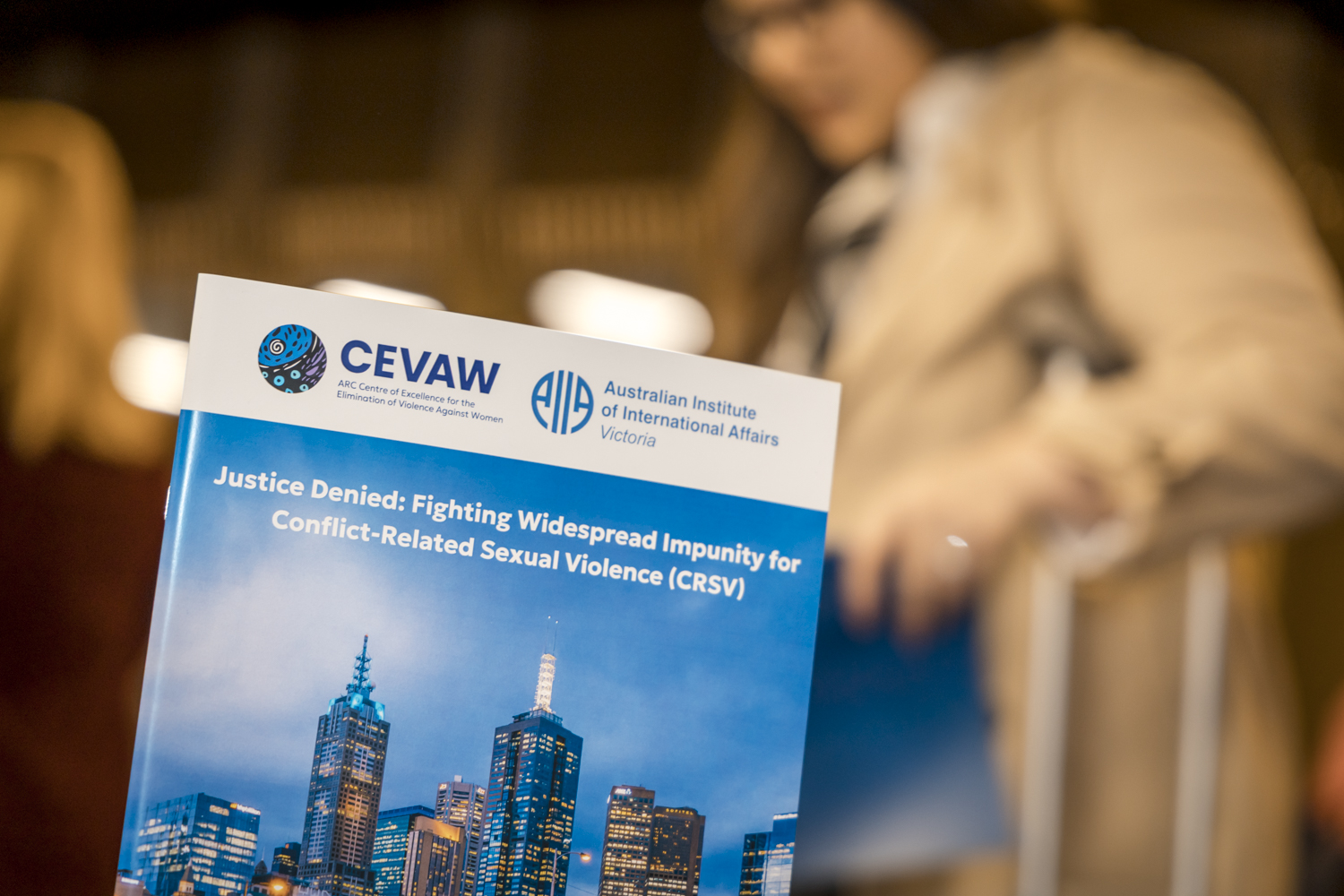
JUSTICE DENIED: Fighting widespread impunity for CRSV
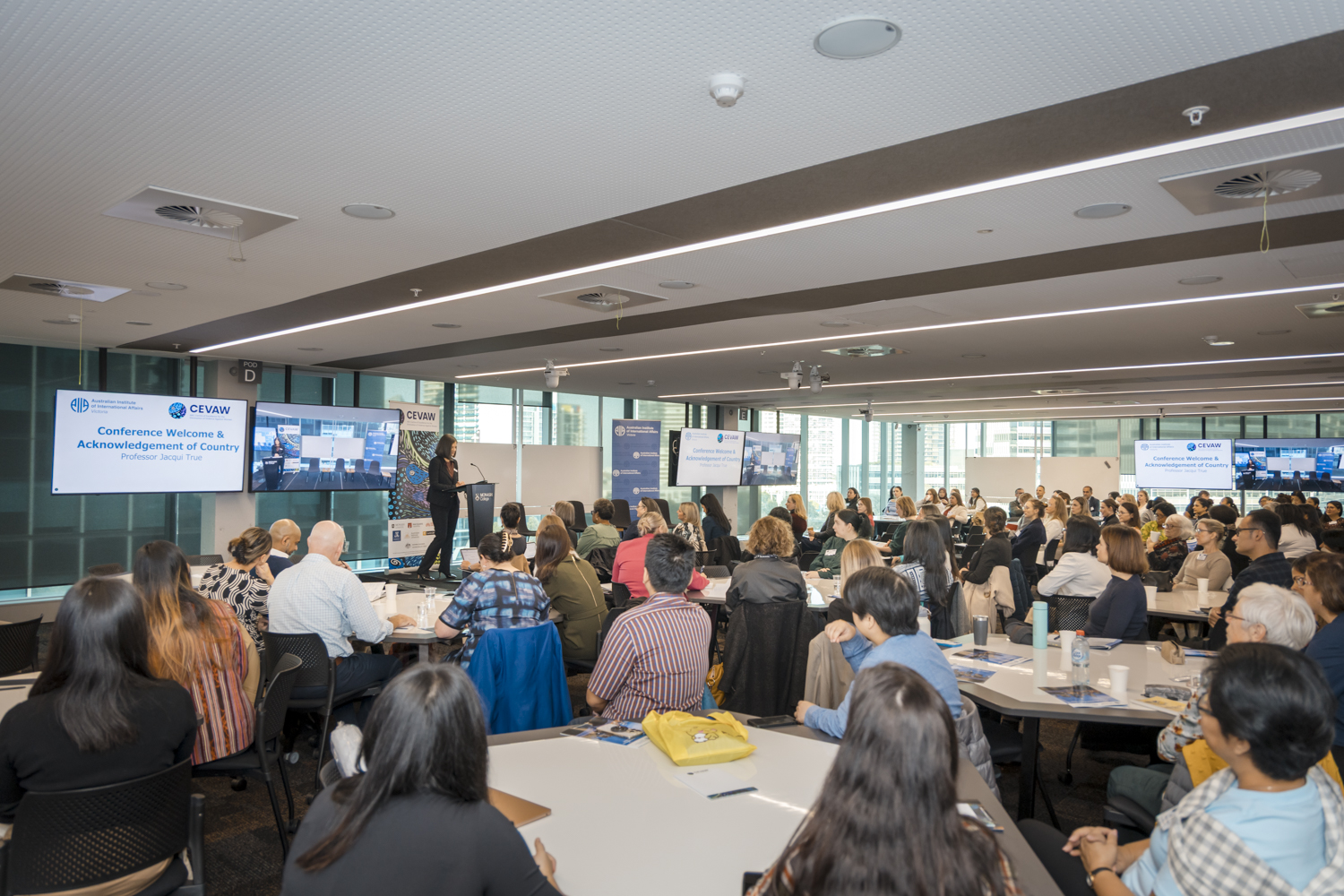
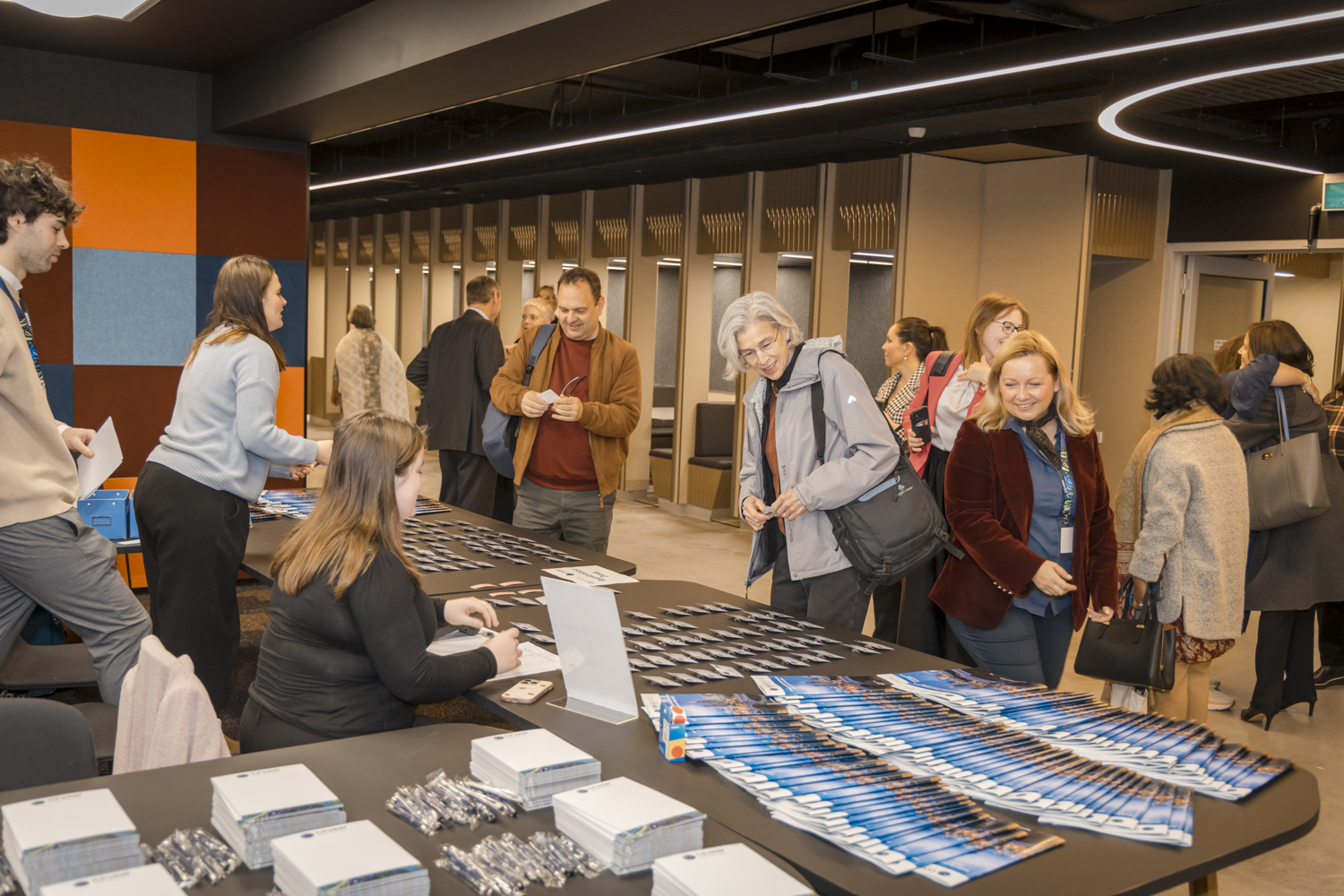
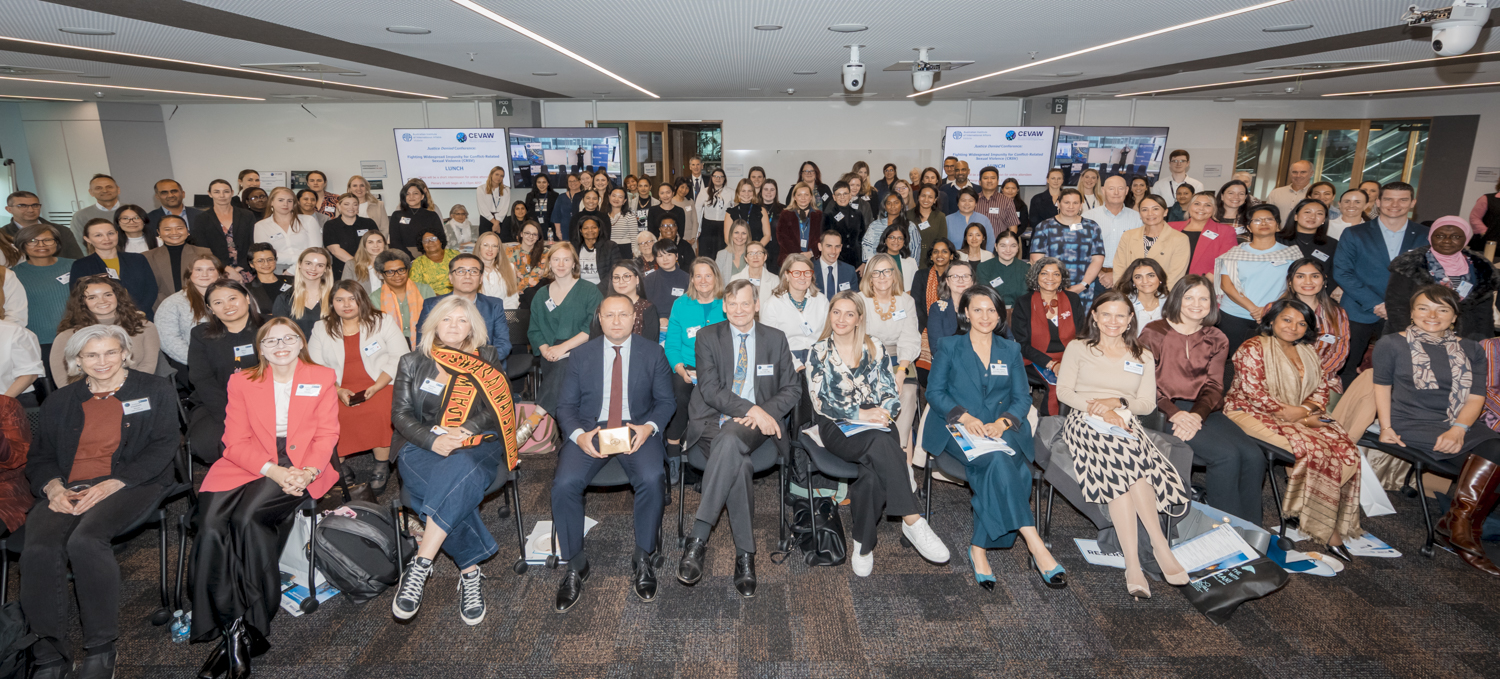
The first conference of its kind hosted in this region, over 200 researchers, practitioners, civil society leaders and policymakers convened in Melbourne to address Conflict Related Sexual Violence across the Indo‑Pacific, tackle entrenched impunity and champion justice for survivors.
Read MoreHow are we tracking?
Global Women's Safety Index
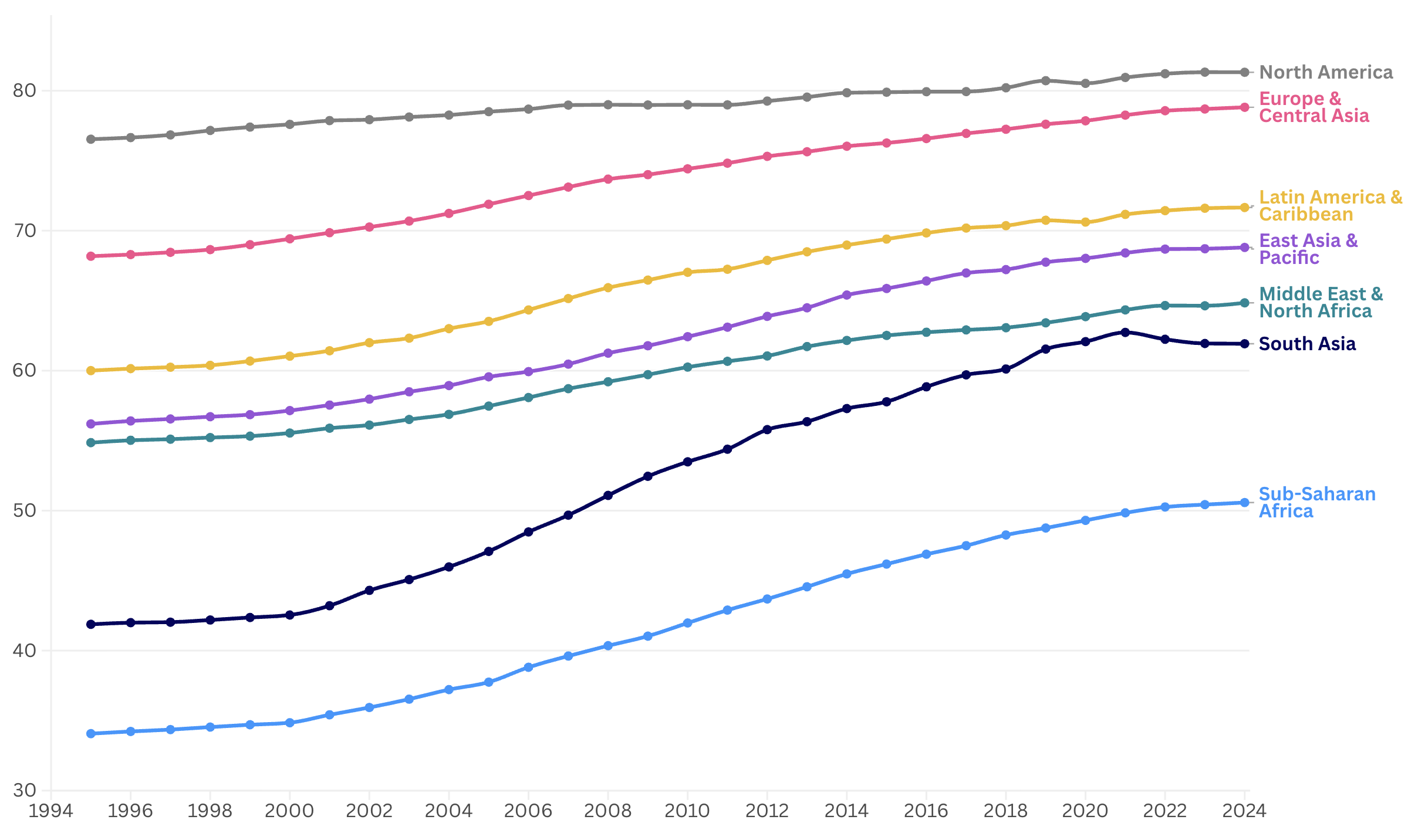
CEVAW has developed the groundbreaking global Women's Safety Index (WSI) www.cevaw-evidence.org as the first open-access tool to identify and quantify 'How safe are women across the globe?' The WSI supports policymaking, offering governments, researchers, and advocates a means to understand, monitor and strengthen protective environments for safety, and provides the evidence to push for action to eliminate violence against women and girls. The Index design was led by a multidisciplinary team, including Data Scientist, Dr. Katie Buchorn, Centre Director, CI Prof Jacqui True, CI Prof Sara Davies, Research Fellows Rafat Mahmood and Phyu Phyu Oo. The WSI reveals powerful insights into safety by capturing changes in women's safety, particularly in response to crises. It exposes underlying structural conditions that make violence possible, and highlights where stronger foundations for women's safety are most needed. The Index is publicly available through an open-access, interactive digital platform, enabling extensive cross-national and temporal comparison.
A product of multidisciplinary collaboration within CEVAW, the global Index will continue to support future Centre research. By providing country situational and subnational analyses we can build evidence on contexts and factors that enable women's safety, and/or prevent gender-based violence. This is proof that when evidence meets commitment, we move closer to a safer world for women and girls.
eSafety Training Evaluation
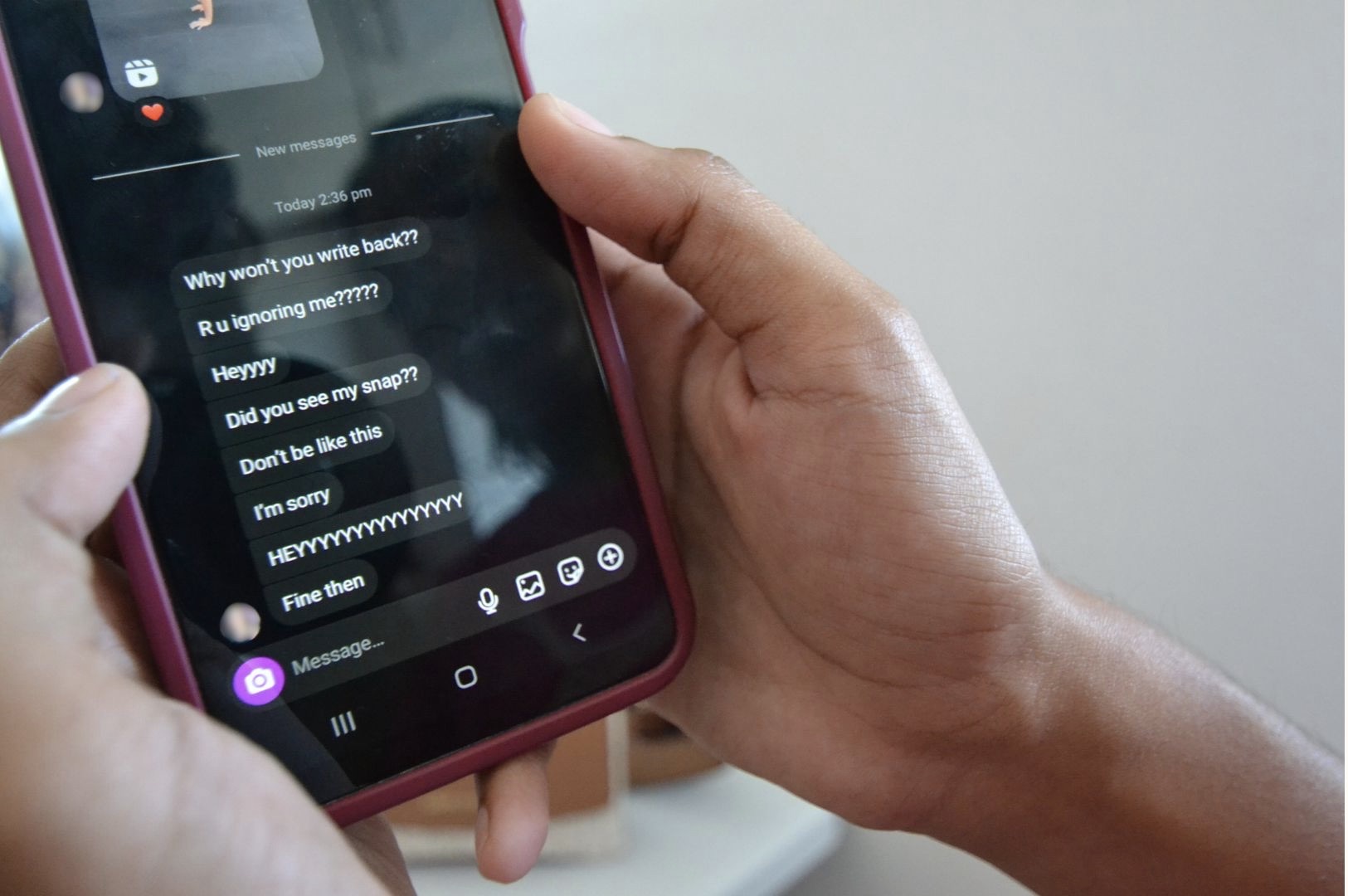

Evaluation of the eSafety – SPC Train the Trainer program on technology‑facilitated gender‑based violence
As digital technologies expand, so too do opportunities for technology‑facilitated gender‑based violence (TFGBV) – an escalating global issue with profound human rights, public health, and legal implications. CEVAW partnered with the Australian Government's eSafety Commissioner to evaluate a Pacific‑region Train the Trainer program designed to build regional capacity and equip frontline workers across health, legal, education, government, and family violence sectors with the skills to deliver TFGBV training in their own communities. Led by Professor Asher Flynn and Dr Emma Quilty, CEVAW's three‑stage independent evaluation identified strengths, gaps, and long‑term impacts to guide future program design and policy development.
The evaluation was structured across three stages enabling CEVAW to assess both immediate and sustained impacts, providing a robust evidence base for program refinement and long‑term planning.
First Nations Women and Family Law
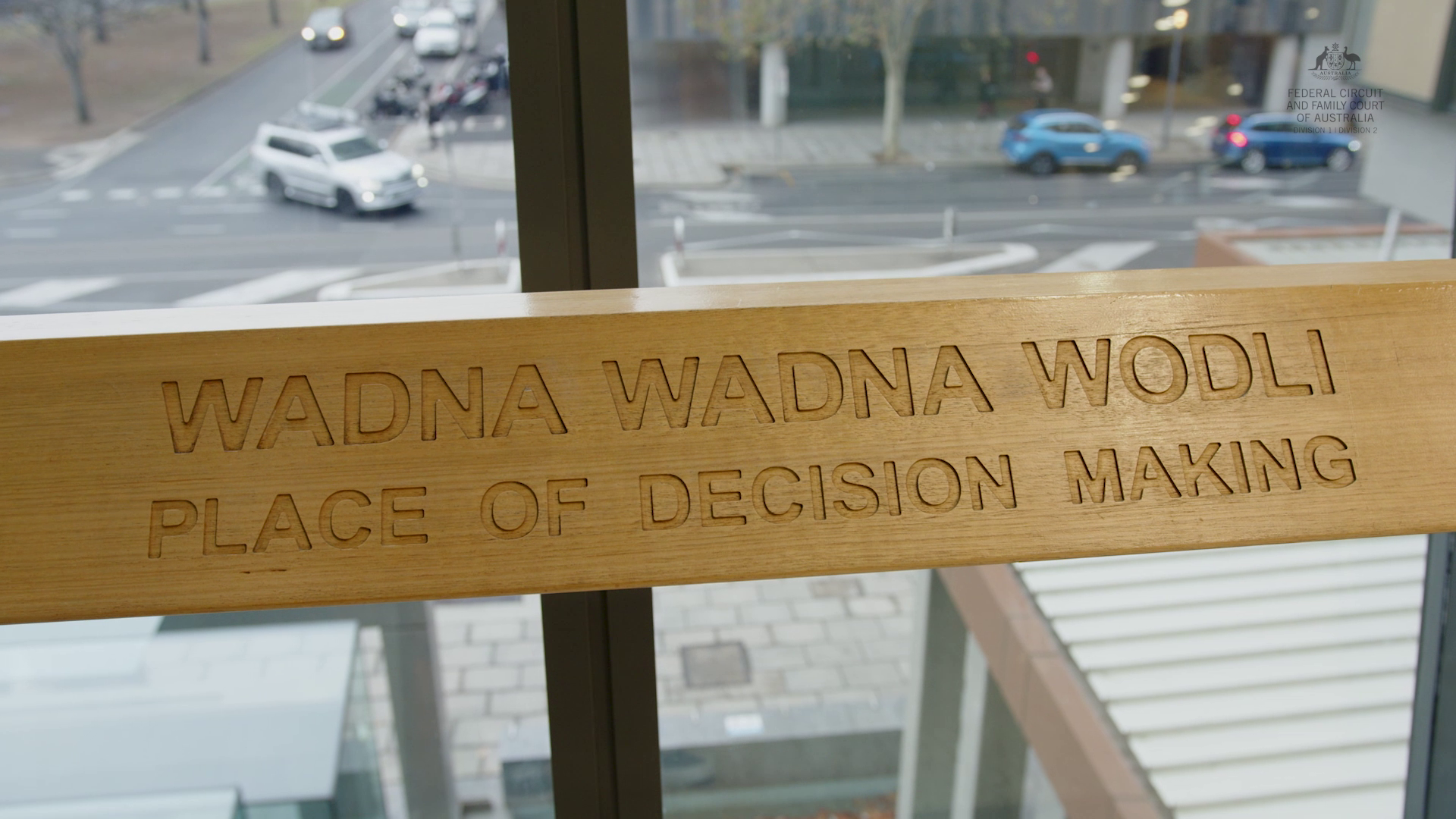
First Nations Women’s engagement with the family law system in the context of family violence
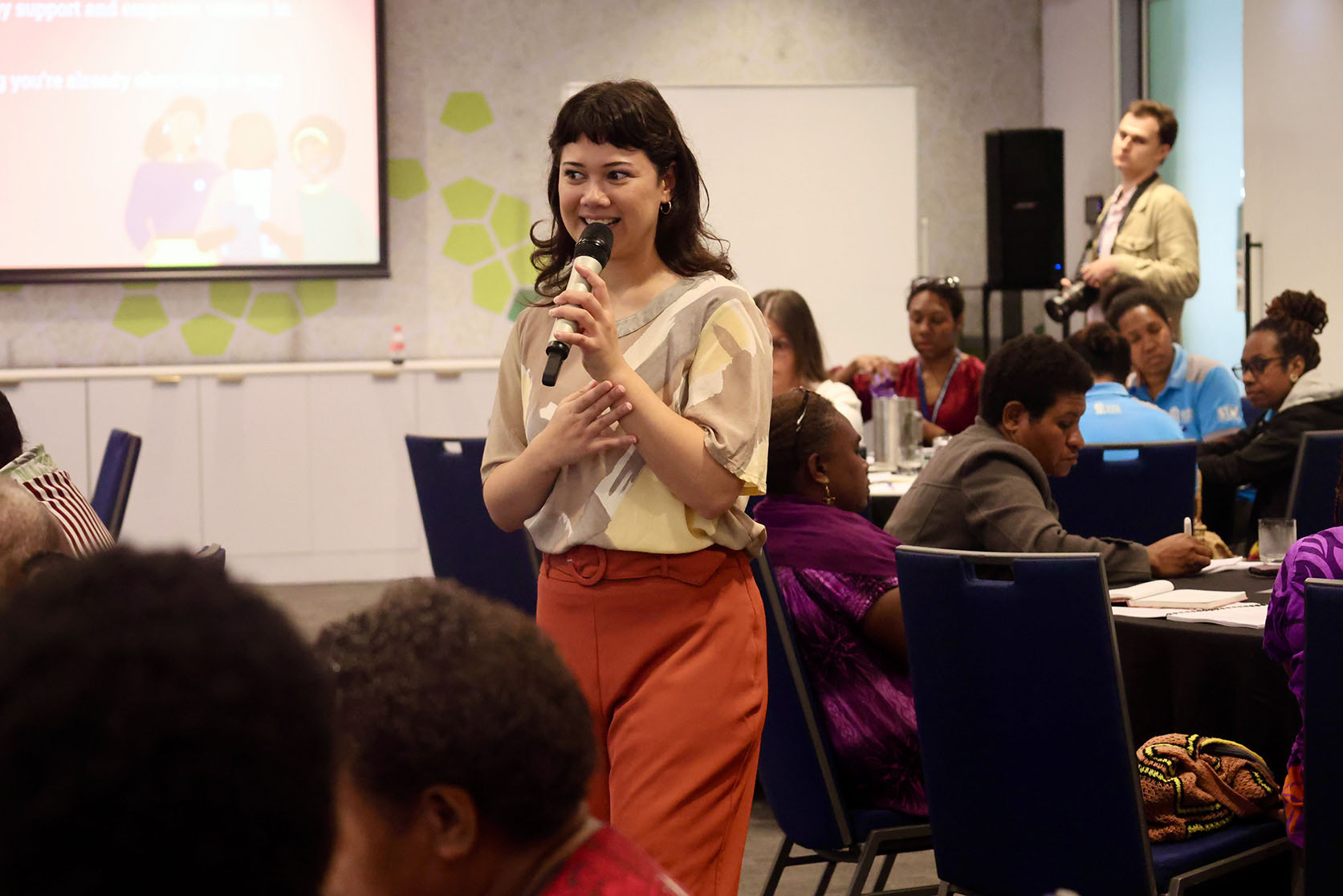
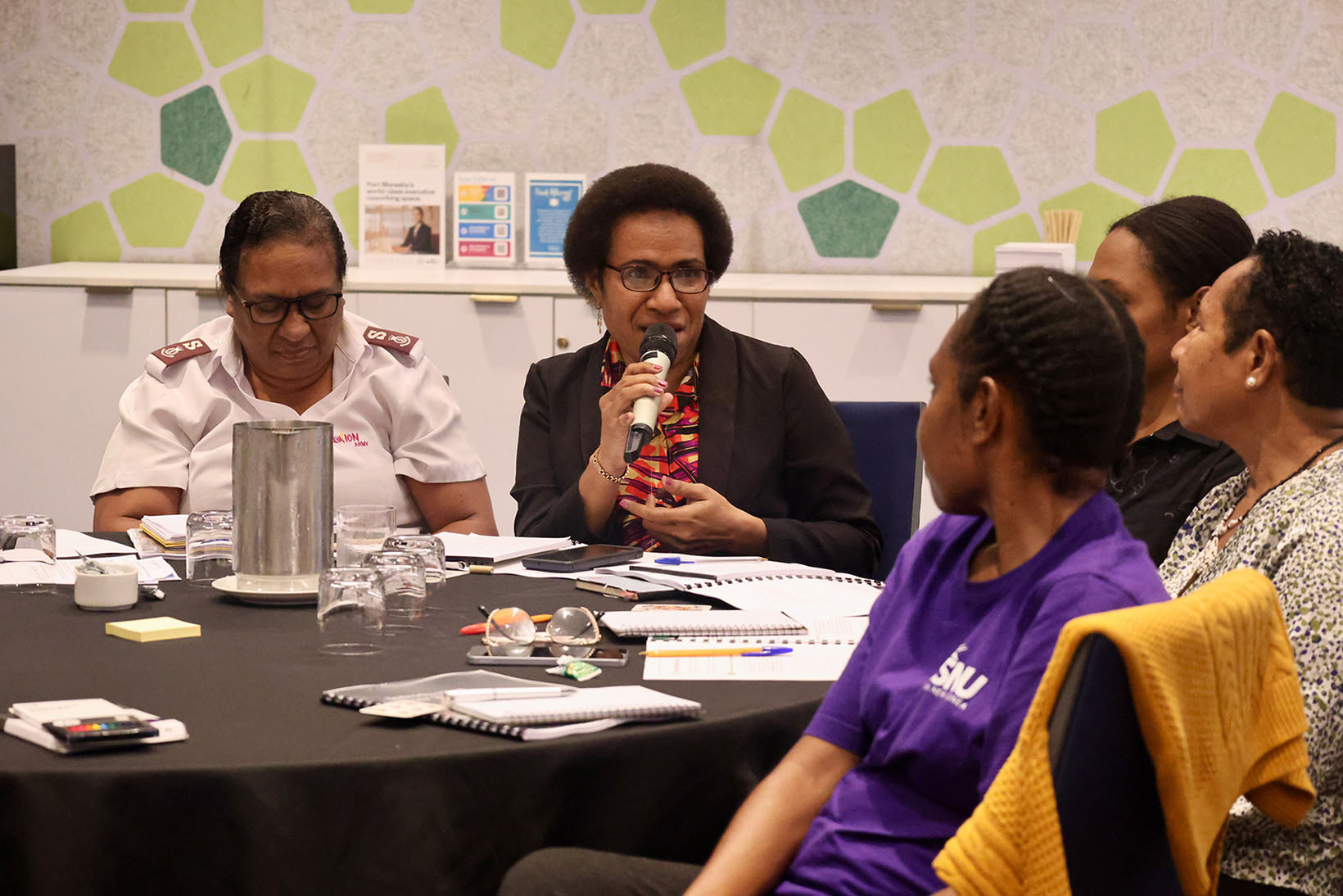
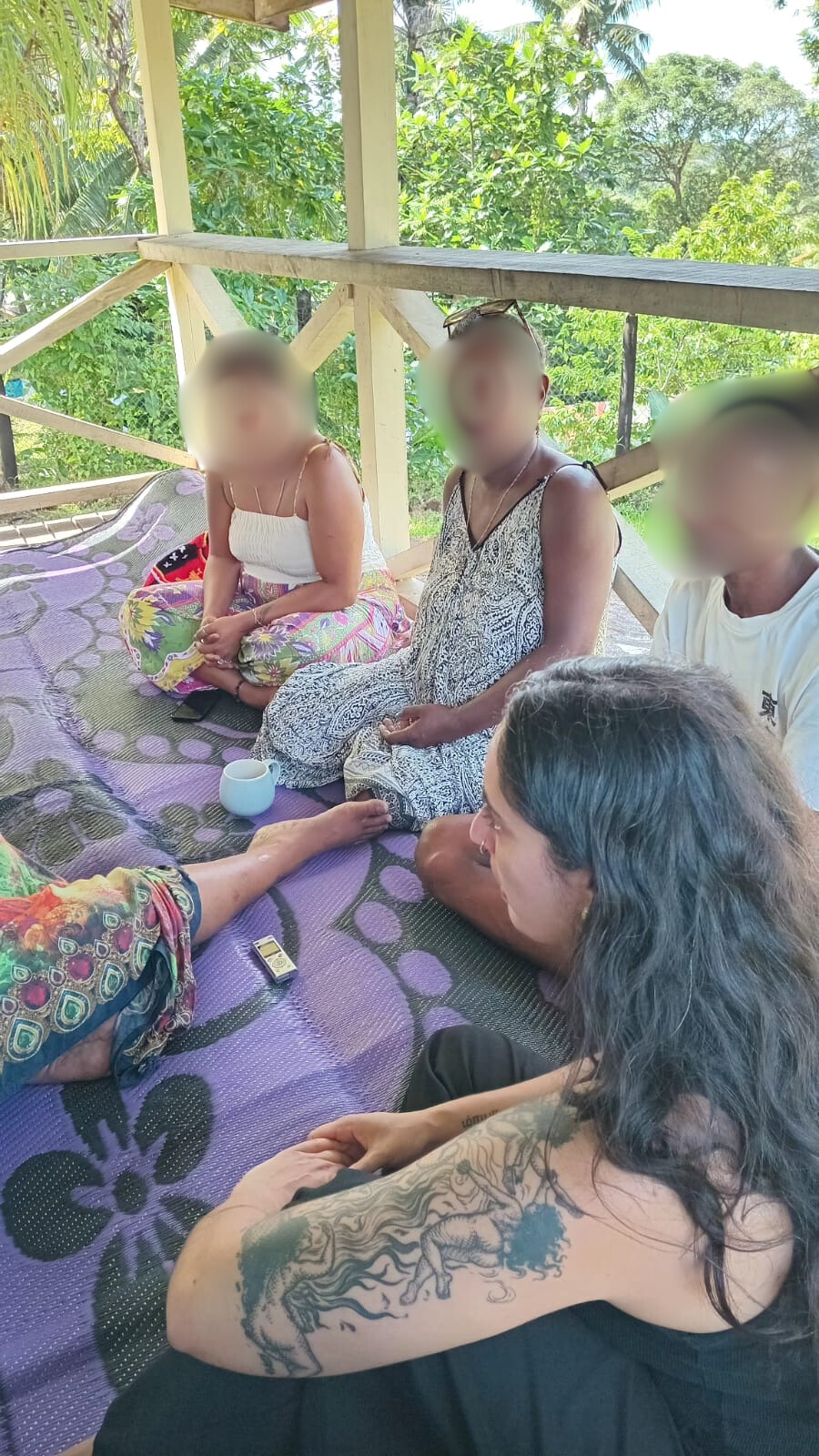
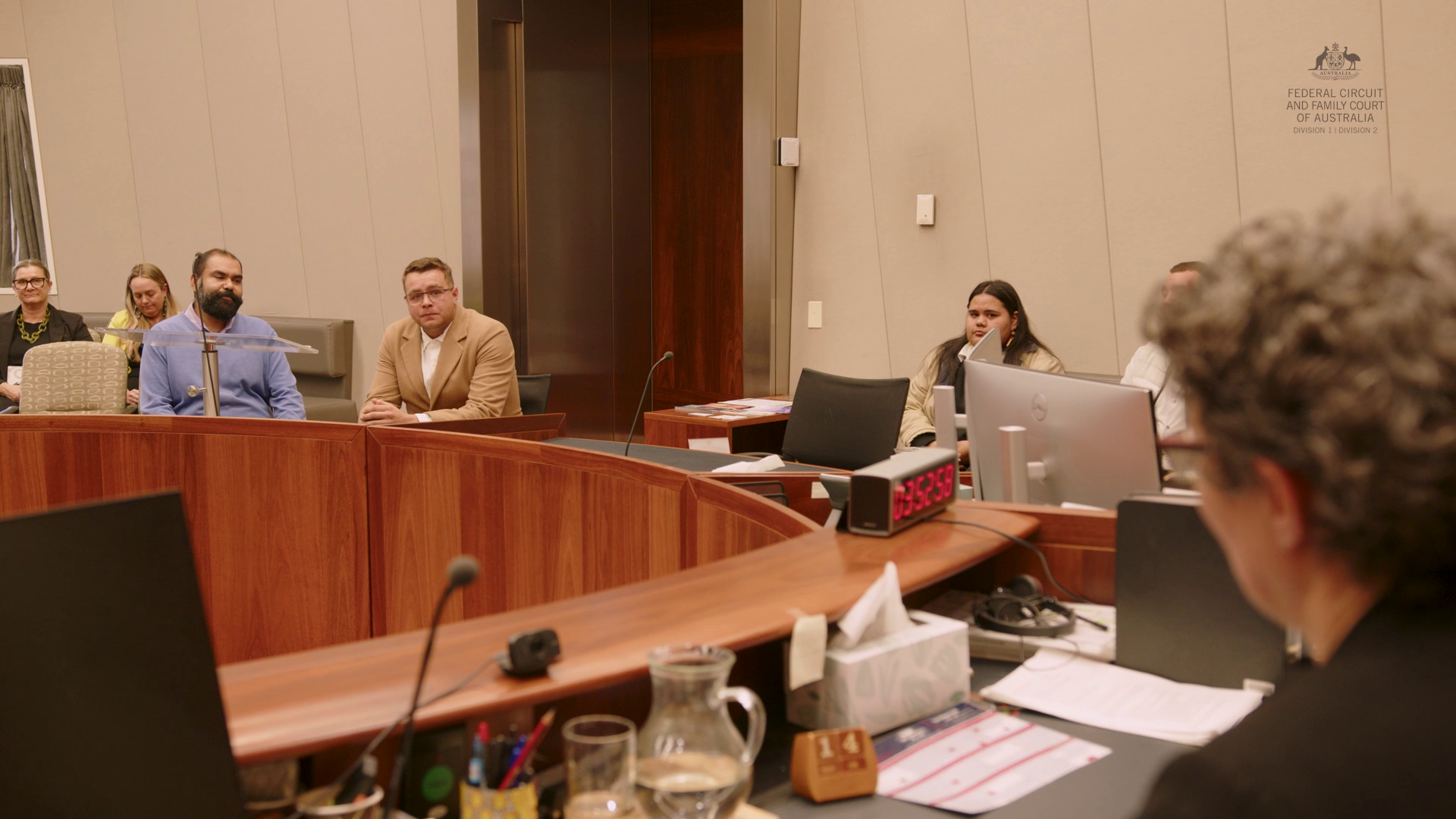
CEVAW researchers from University of Melbourne, Professor Heather Douglas and Research Fellows Kath Kerr and Dr Samantha O'Donnell designed an Indigenous‑centred study in partnership with Women's Legal Services Australia (WLSA) to highlight the barriers that prevent First Nations women from safely and confidently using the Australian Family Law system.
The CEVAW report provides important findings in key areas including engagement with the Family Law System, barriers to accessibility and safety, systems responses, and potential improvements. The report findings demonstrate both progress and the ongoing need for structural change. Culturally safe, trauma‑informed and FV‑aware legal assistance remains unevenly available, limiting early engagement and increasing the likelihood of complex, late‑stage family court involvement. CEVAW's ongoing work will address these gaps by identifying practical reforms that can improve outcomes for First Nations women.
The report has already demonstrated tangible reach and impact beyond the research outputs themselves. WLSA is actively using the findings for their ongoing advocacy work, using the evidence to drive systemic change in the family law system. A targeted media and communications strategy amplified the research to broader audiences, securing an interview with the researchers and several syndicated articles, including coverage in the NSW Law Society Journal, and reaching legal practitioners directly positioned to implement the report's recommendations.
Demand for the research has extended to invitations to present at conferences and various webinars, including the Stop Domestic Violence conference and Community Legal Centres QLD. This ongoing engagement is expanding the reach and potential influence of the work well beyond the initial publication.
The Asia Foundation Collaboration
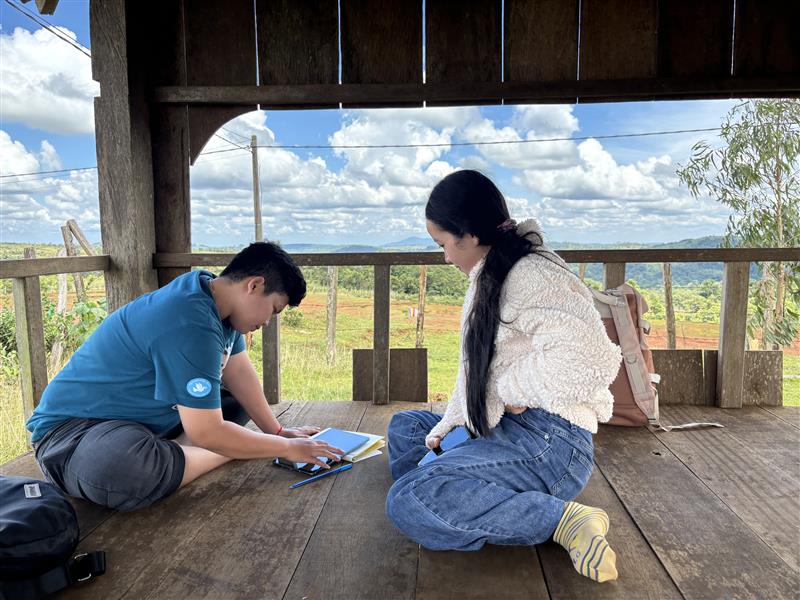
Assessing the Impact of Women, Peace and Security Initiatives in Cambodia and Lao PDR
Through their partnership, CEVAW and The Asia Foundation (TAF) have collaborated on research to examine experiences of insecurity including gender‑based violence in Cambodia and Lao PDR, while assessing the impacts of TAF's community‑centred programming to amplify women's peace actions, affirming women's essential participation as peacebuilders and leaders across all sectors of society.
Led by CEVAW researchers CI Professor Jacqui True and Research Fellow, Dr. Helen Stenger from Monash University with research assistance from CEVAW PhD Candidate Wilasinie Sopapol at Griffith University, the project contributes directly to strengthening the Women, Peace and Security (WPS) agenda by generating rigorous, context‑specific evidence on women's insecurities and participation in peace and security initiatives.
The research provides new insights into the diverse and evolving insecurities faced by women and LGBTIQ+ individuals in border regions in Cambodia and Lao PDR. These include land and livelihood insecurity, drug and alcohol use, gender‑based violence, migration and trafficking, and environmental hazards. The project examines women and men's knowledge and confidence to address these insecurities, identifying key gaps and opportunities that can be addressed in most‑affected communities.
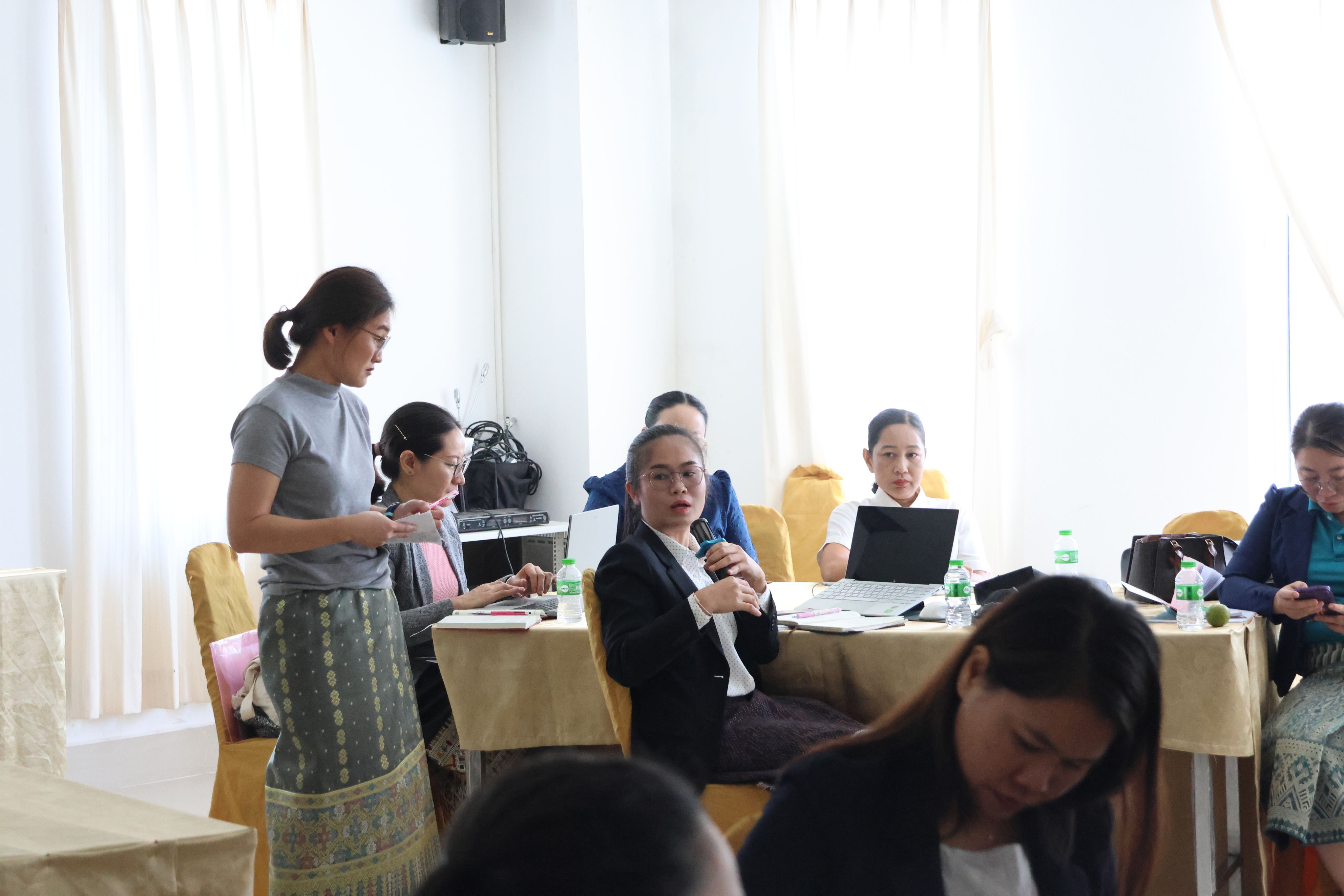
Tackling Gendered Violence in Universities
How institutional cultures shape gendered authority, knowledge, and professional life within educational settings
In 2025, led by Professor Debbie Bargallie, Professor Bronwyn Carlson and Associate Professor Uswatun Qoyyimah, a new international research collaboration began under the Indigenous Pillar of CEVAW with Universitas Pesantren Tinggi Darul Ulum (UNIPDU) in Jombang, Indonesia to examine how institutional cultures shape gendered authority, knowledge, and professional life within higher‑educational settings. The partnership reflects a deliberate commitment to relational and reciprocal research practice.
Early findings align with broader CEVAW research arguments that violence in higher education is reproduced through institutional practices determining whose knowledge is validated, whose authority is recognised, and whose participation is constrained. A literature review on Indonesian women working in higher education, to be published in 2026, provides contextual framing for the empirical findings.
Beyond research outcomes, the collaboration is generating lasting institutional benefits. For CEVAW, it demonstrates how Indigenous Australian analytical frameworks can be extended through international partnership. For UNIPDU, it strengthens global research networks and reinforces locally grounded leadership in examining gendered and epistemic conditions shaping women's work.
In line with the project's commitment to deliver practical reform, upcoming outputs will include bilingual reports, policy briefs, academic publications, conference presentations and knowledge‑sharing events in both countries. These will ensure that insights remain accessible to those positioned to enact change. This project contributes to a more connected and more accountable higher education landscape, one that recognises institutional inequality and responds to the lived experiences of women working within universities.
JUSTICE DENIED Conference
Fighting widespread impunity for CRSV
Marking a turning point in the international response to Conflict‑Related Sexual Violence (CRSV), CEVAW in partnership with the Australian Institute of International Affairs Victoria (AIIA VIC) hosted 'Justice Denied: Fighting Widespread Impunity for Conflict‑Related Sexual Violence' — the first of its kind hosted in this region — to address CRSV across the Indo‑Pacific.
Over 200 researchers, practitioners, civil society leaders and policymakers convened in Melbourne to tackle entrenched impunity and champion justice for survivors. Building on the momentum of the Women, Peace and Security (WPS) agenda and the United Kingdom's Preventing Sexual Violence Initiative, the program examined conflict settings and drivers that allow CRSV to persist. Also showcased were the Murad Code, the International Protocol on the Documentation of Sexual Violence, and the need for innovation in evidence gathering, sanctions, investigations and peace processes.
As a catalyst to change Conflict‑Related Sexual Violence (CRSV), the conference launched a collective Statement of Action to turn dialogue into action. The conference's impact is already tangible, inspiring workshops and a CRSV Network to keep Indo‑Pacific researchers, practitioners and policymakers connected.