Outreach and Engagement
Strengthening connection, capability and impact
CEVAW's role as a connected and impactful Centre means working with partners to not only produce world‑leading research, but also to ensure knowledge is shared and applied to advance safety, justice and wellbeing for women everywhere.
In 2025, CEVAW continued to implement the Communication, Education and Outreach Plan with a focus on expanding open access to evidence and strengthening its collaborative research community.
The year saw major progress in data accessibility, capacity‑building and regional engagement through a curated calendar of events in addition to staff contributions to journal articles, policy submissions, roundtables and the development of the CEVAW Handbook to be launched in 2026.
2025 Highlights
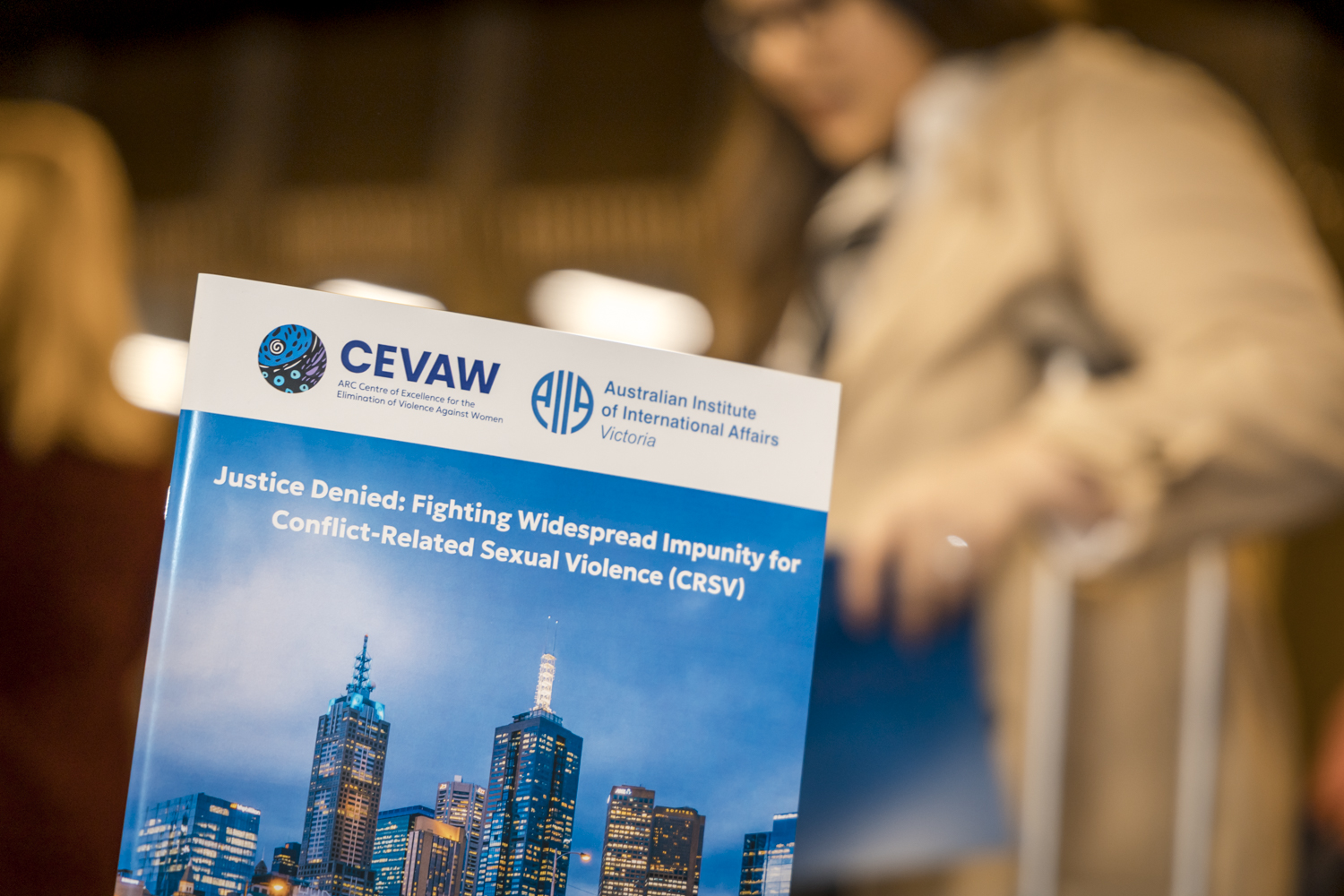
Conference: Justice Denied: Fighting Widespread Impunity for CRSV
Hosted by CEVAW and the Australian Institute of International Affairs (Vic) more than 200 people attended this conference, the first of its kind in the region. As a catalyst to change Conflict-Related Sexual Violence (CRSV), the conference launched a collective Statement of Action to turn dialogue into action. The conference's impact is already tangible inspiring workshops and a CRSV Network to keep Indo-Pacific researchers, practitioners and policymakers connected.
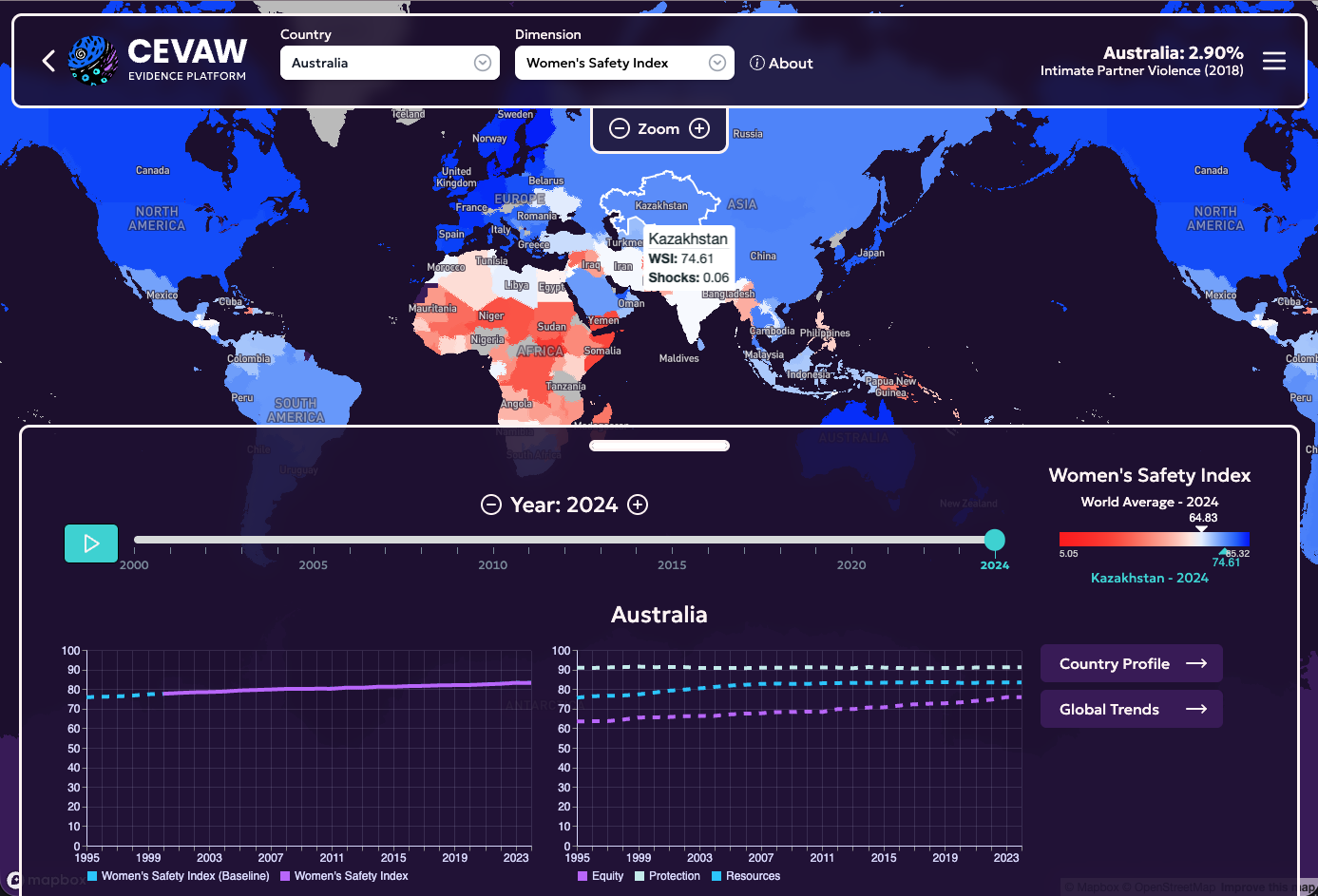
Webinar: Global Women's Safety Index & Data Platform
Launching the Women's Safety Index (WSI) as the first open-access tool to identify and quantify 'How safe are women across the globe?' WSI provides country situational and subnational analyses to build evidence on contexts and factors that enable women's safety and offers policymakers, governments, researchers and advocates a means to understand, monitor and strengthen protective environments to eliminate VAW.
Podcast: CEVAW Conversations
CEVAW Conversations is a regular podcast series, bringing researchers, practitioners and thought leaders into conversation about the evidence on violence against women — making complex findings accessible to audiences beyond the academy. Since launching, the podcast has reached listeners across Australia, Canada, the United Kingdom, the United States and Portugal, building an international community of people engaged with this work.
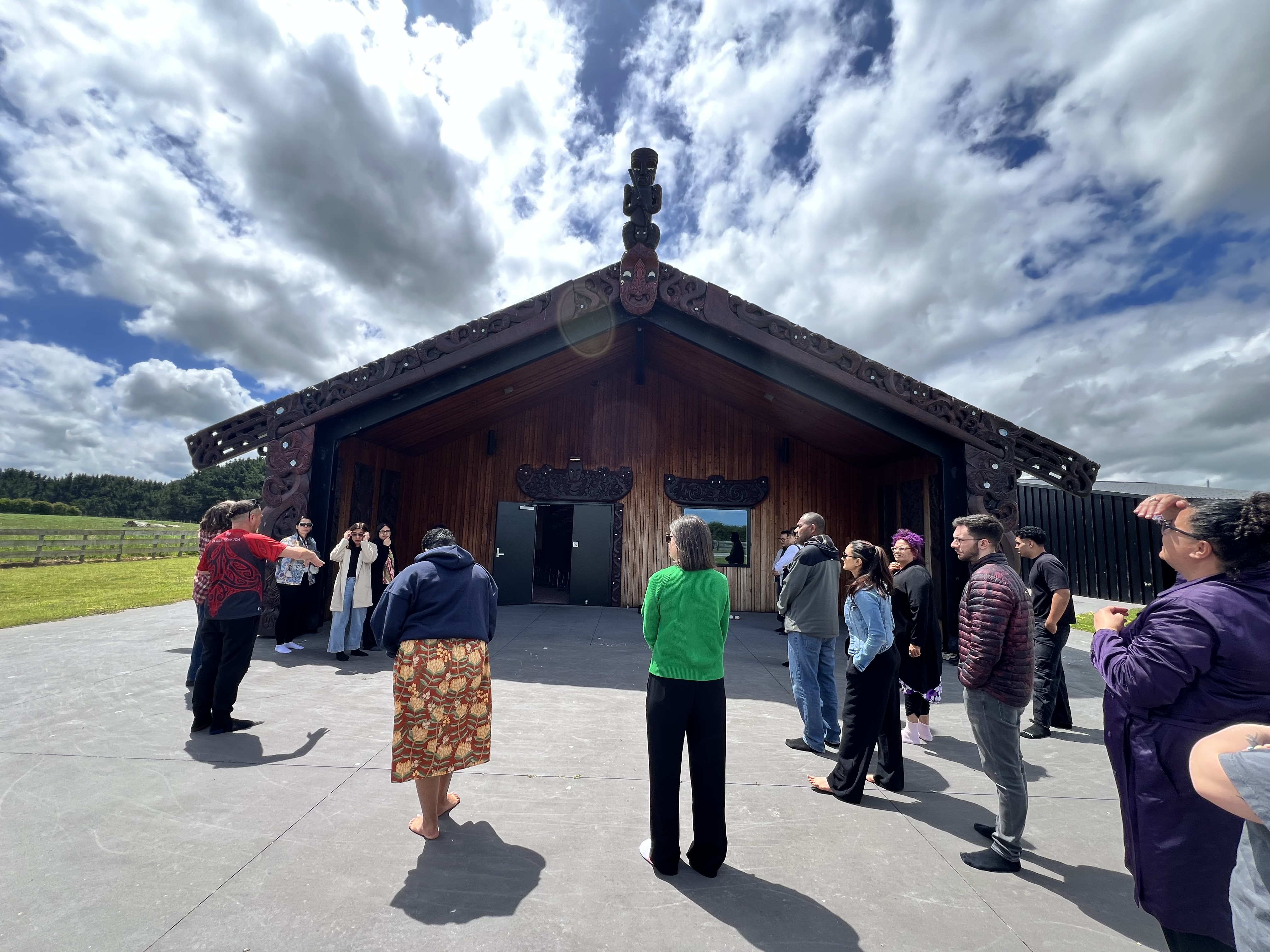
Workshop: Kaupapa Māori Research Methodologies Wānanga
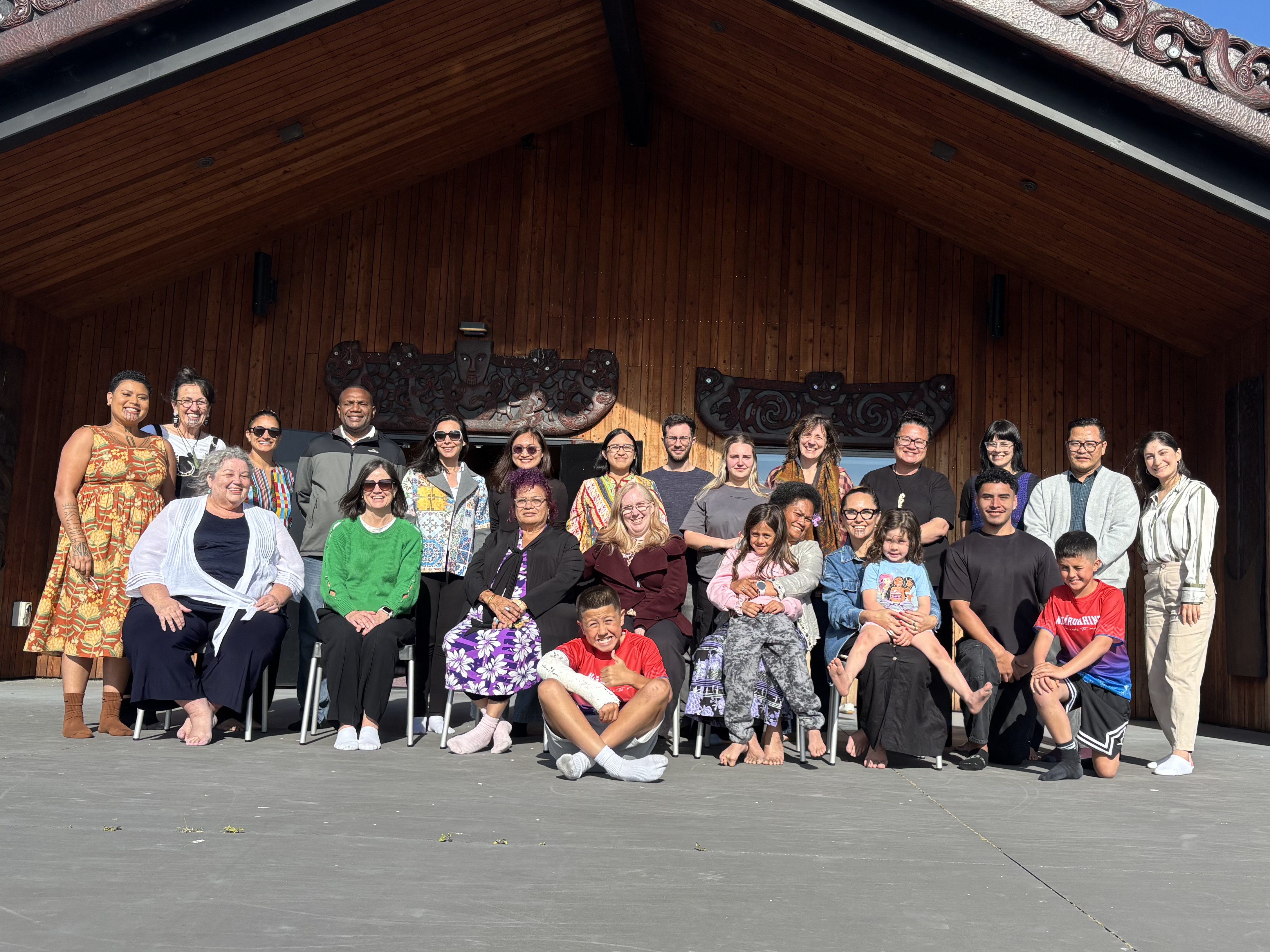
Hosted by the community of Kānihi-Māwhitiwhiti Pā and grounded in Māori worldviews, the 2-day workshop was an opportunity for CEVAW researchers to reject the sterile neutrality of academia and learn about the importance of relationships. It called for participants to consider how research is entangled in systems of power, how universities continue to profit from Indigenous dispossession and how decolonisation demands more than good intentions. Photo credit: CEVAW
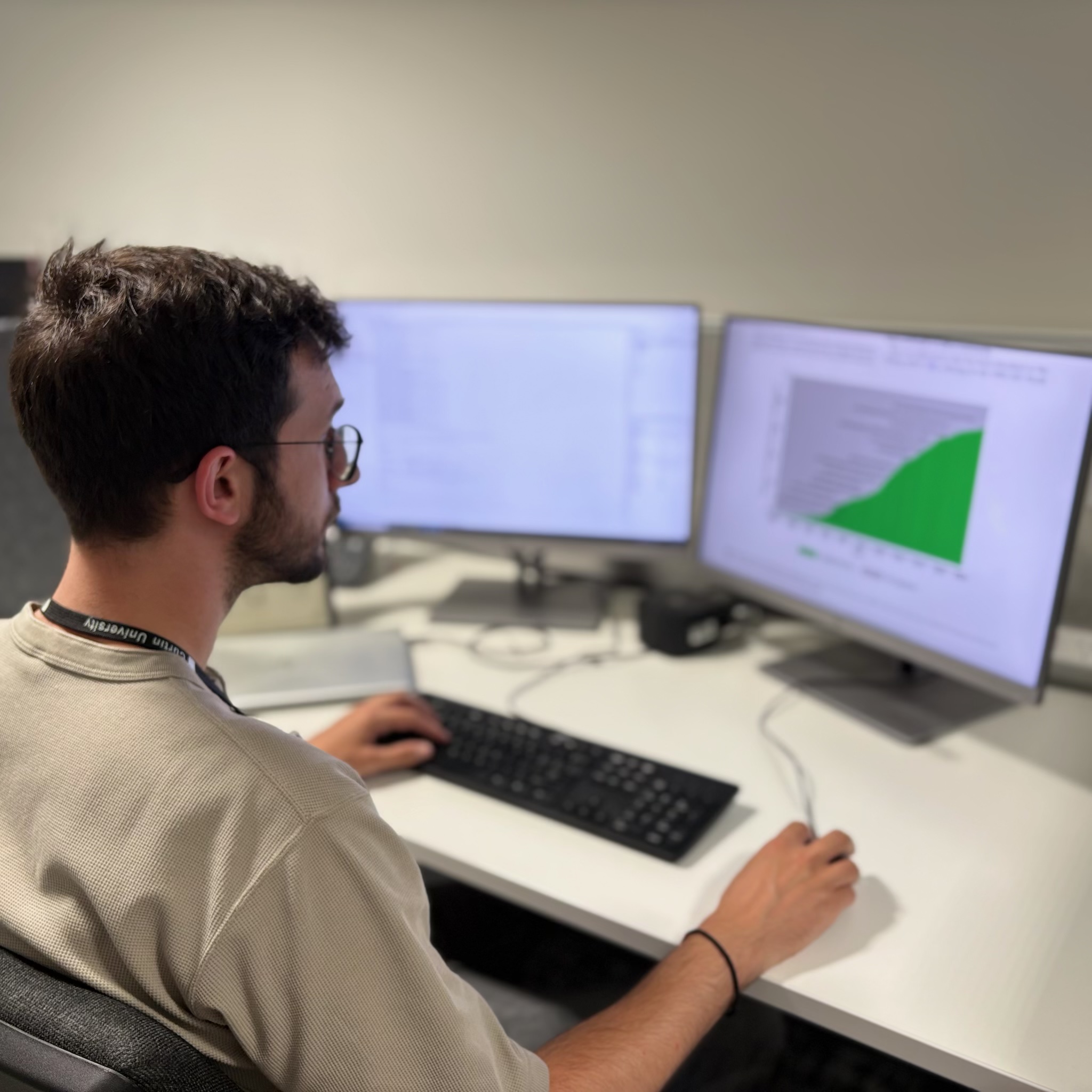
Workshop: Gender in Focus Series: Gender and Climate Change
Researchers and policy experts joined to explore how climate change impacts women and gender-diverse communities. By sharing feedback and identifying research gaps, the workshop reiterated the importance of gendered responses and informed future collaboration needed to achieve climate resilience and women's safety. A strong start for the Gender in Focus series reinforcing CEVAW's commitment to fostering interdisciplinary, survivor-centred research for urgent global challenges. Photo credit: Curtin University
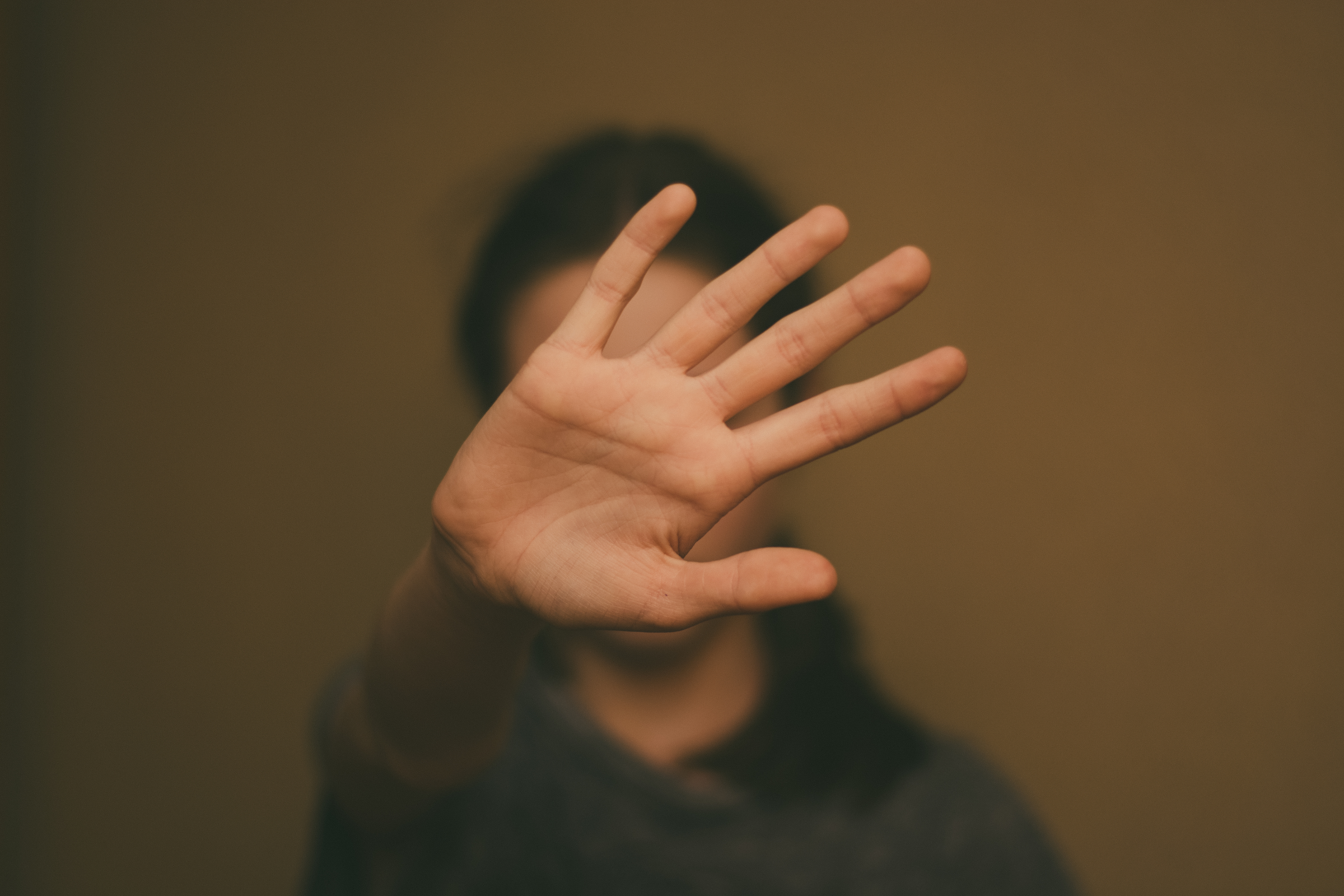
Webinar: Stalking as part of a pattern of power and control
More than 300 people tuned in to listen to a panel from the Magistrates Court of Victoria, Women's Legal Service, and CEVAW, discuss Stalking: a gendered crime of power and control that is recognised as a criminal offence but it can be difficult to prove. In the first of the series this webinar raises community awareness of the issue and provides information on the research that demonstrates the breadth of behaviours and systems abuse that underpin stalking. Photo credit: Shutterstock
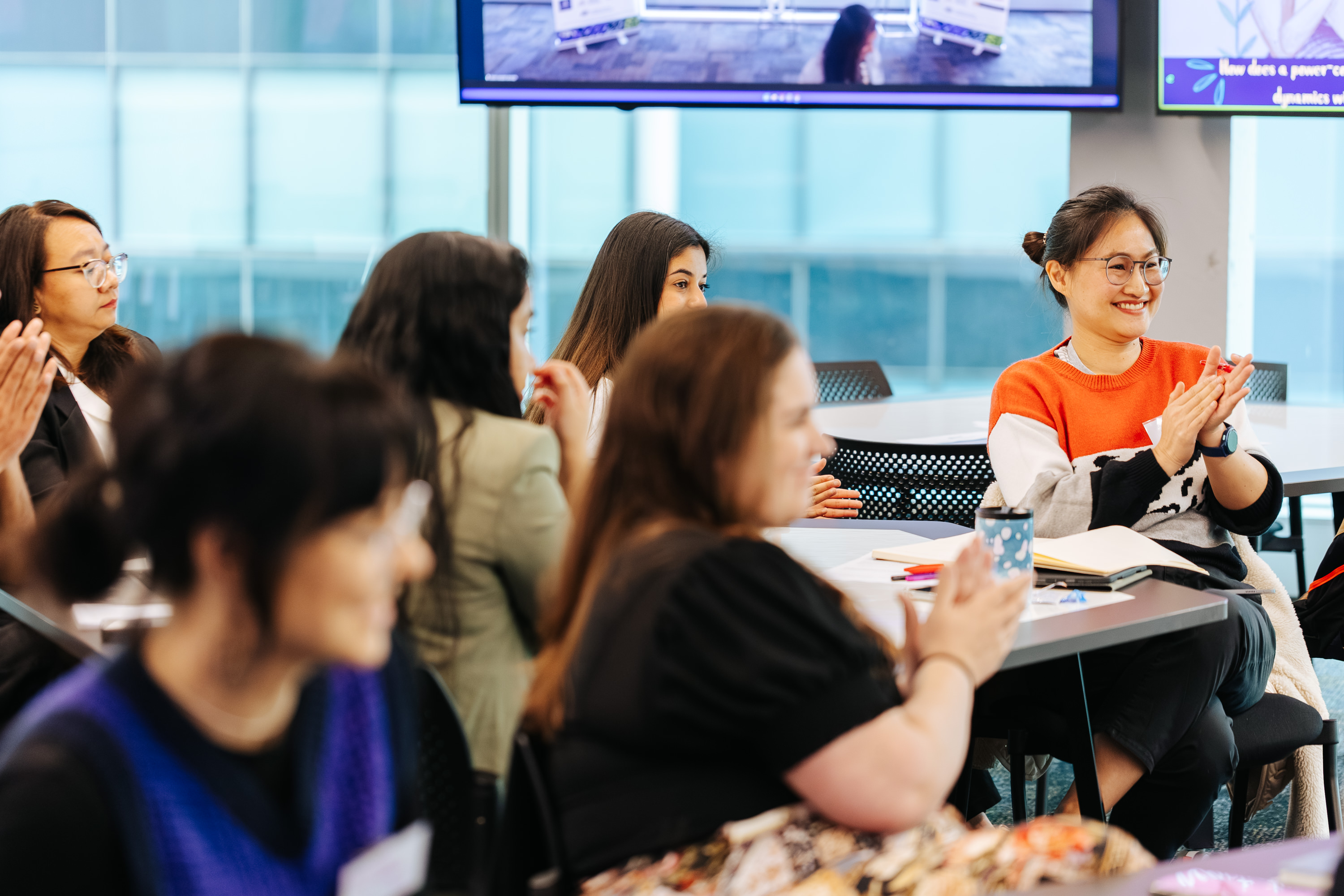
Showcase: HDR Student Three Minute Thesis
HDR students shared projects in 3MT format receiving constructive feedback from CIs and audiences. Topics reflected the depth and diversity of CEVAW research showcasing evidence, empathy and innovation, including climate-induced disasters and women's safety, addressing men's behaviour, VAW in politics in Indonesia, local governments and women's protection policies, how economic zones and organised crime shape women's experiences of trafficking and forced marriage. Photo credit: CEVAW
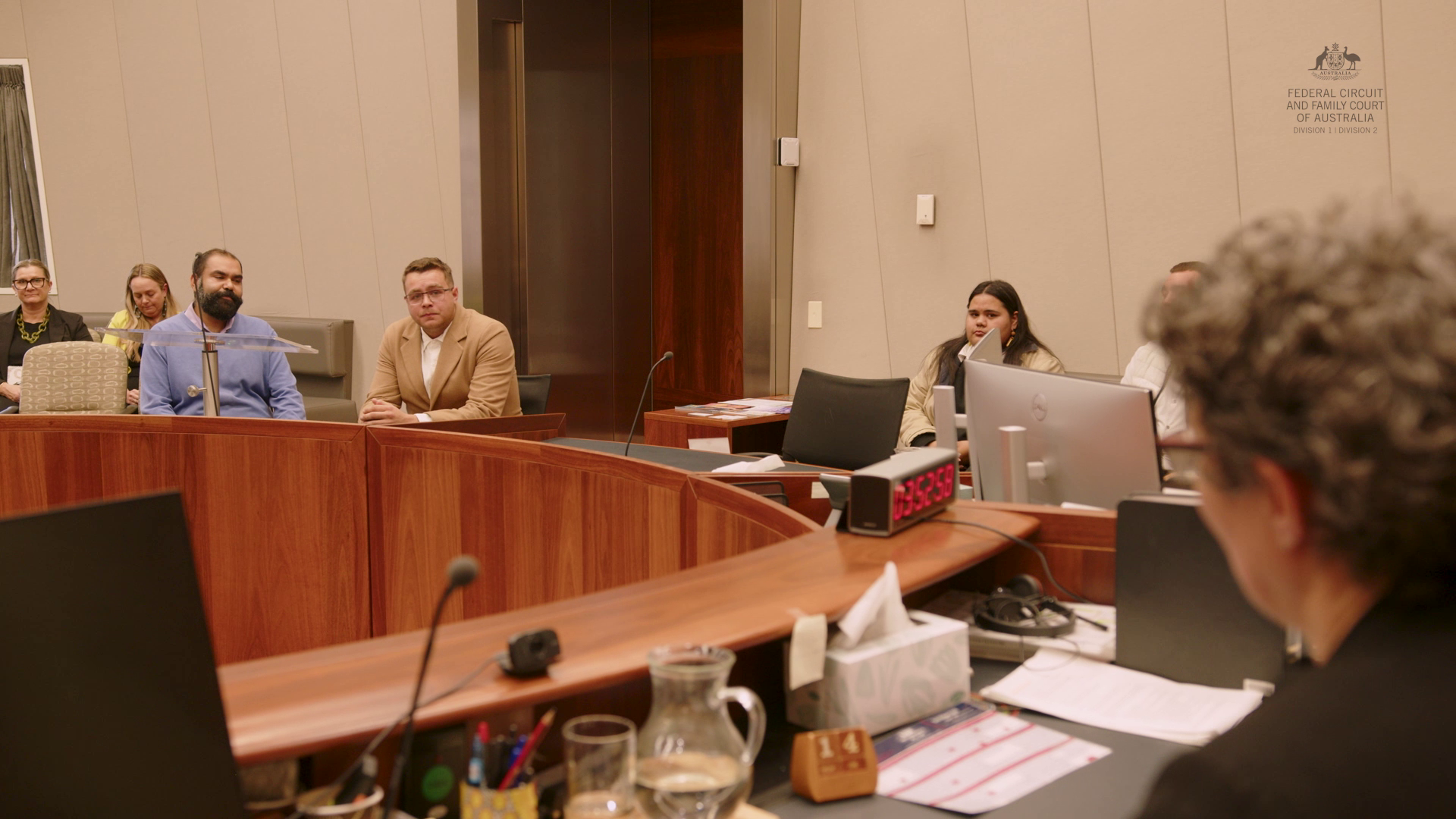
National Launch: Final Report: First Nations Women's Experiences of the Family Law System
Through evidence-based research and a commitment to solutions, CEVAW and Women's Legal Services Australia national research is shaping a more inclusive, accessible family law system capable of supporting the safety and wellbeing of First Nations women and children. The seminar launched the National report and a targeted media campaign and ongoing presentation schedule followed.
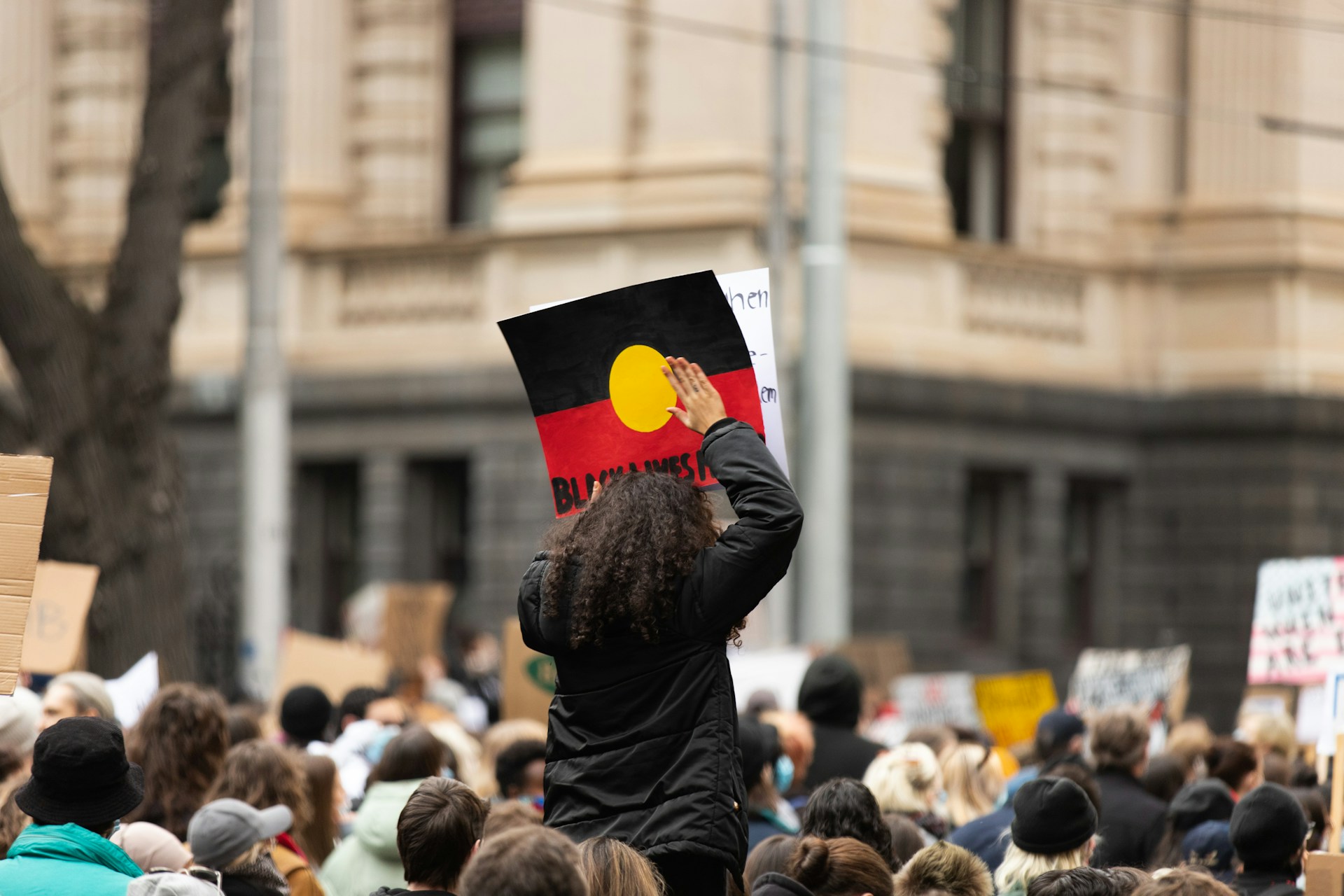
Webinar: Amplifying Unheard Voices
Exploring why Australia should recognise the International Day of Missing and Murdered Indigenous Women. Held after the national election and a year on from major gender-violence policy talks, panellists shared global insights and emphasised the government commitments needed to end violence against Indigenous women. The webinar reached the widest audience among Indigenous communities and organisations. Photo by Mitchell Luo on Unsplash
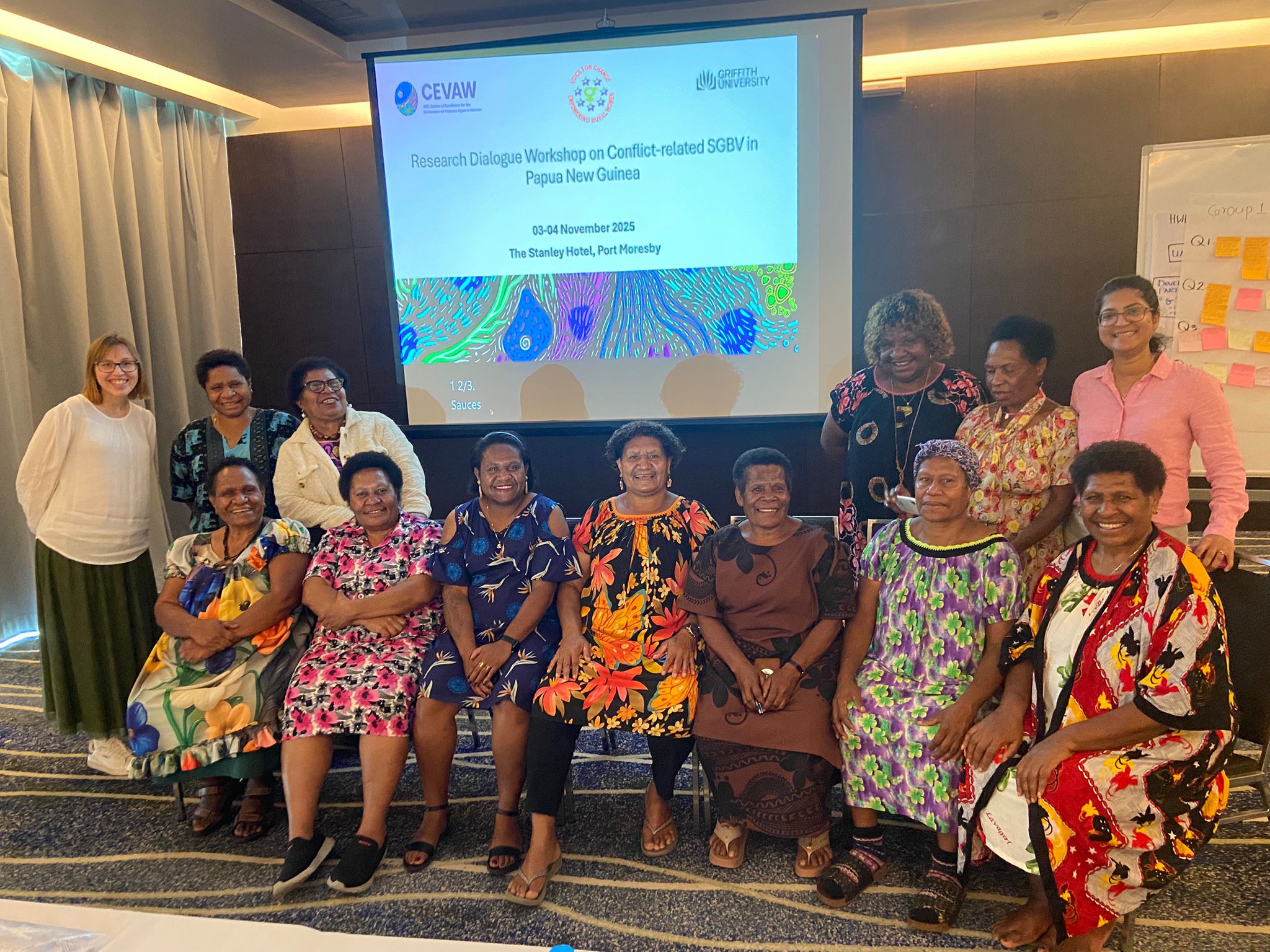
Workshop: Women's safety during conflict in Papua New Guinea (PNG)
Electoral and tribal conflict leads to thousands of displaced PNG people each year, however limited data exists on the relationship between conflict and sexual and gender-based violence (SGBV). Structured as a roundtable, this workshop generated a deep, context-specific understanding of how SGBV is experienced, understood, and addressed, and participants drafted a WPS action plan to respond to the needs of SGBV survivors and advocate for protection from SGBV. Photo credit: CEVAW